
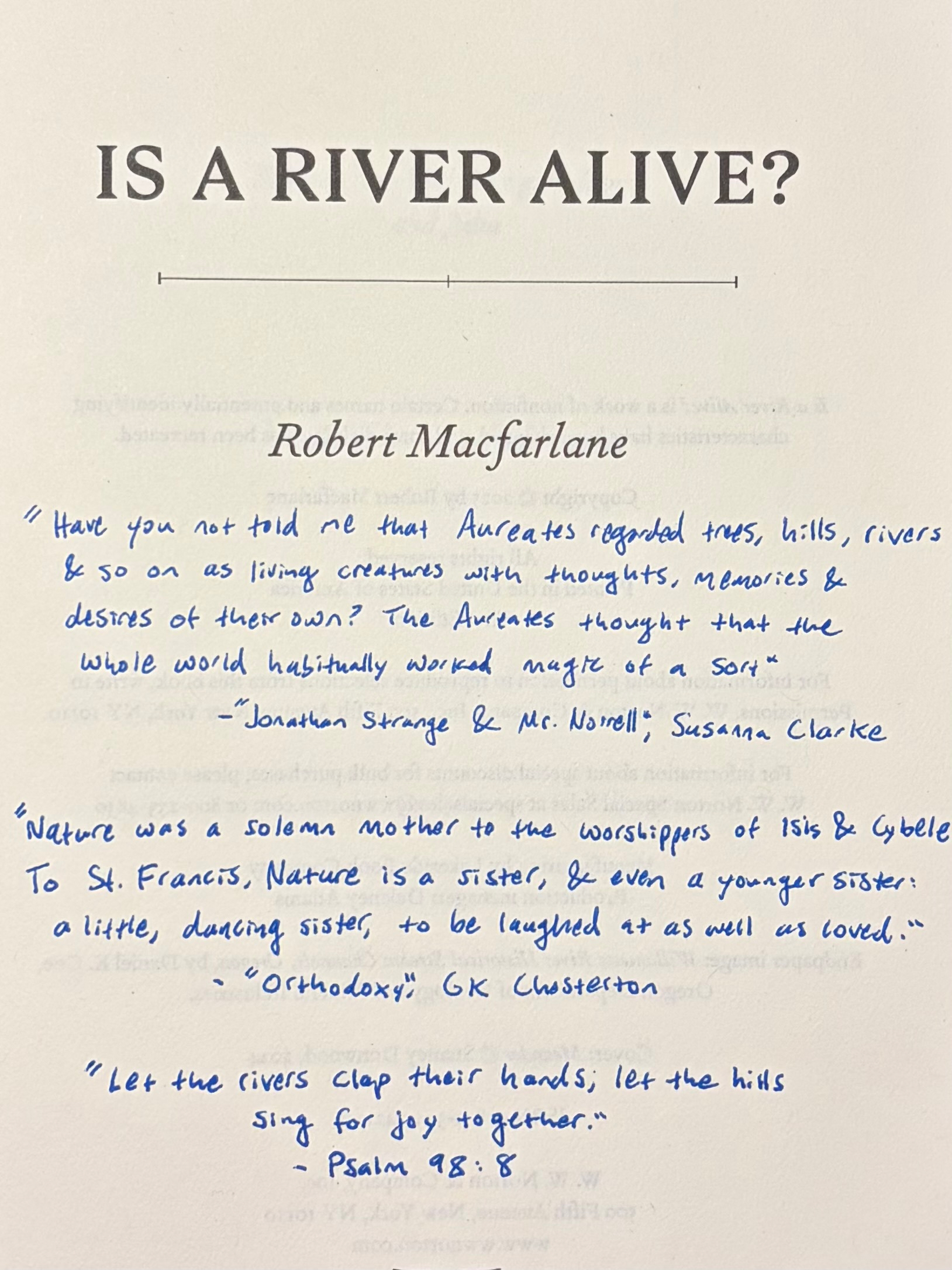
One of my students in last semester’s Great Texts in Fantasy class gave me a copy of Robert Macfarlane’s Is a River Alive? and added some highly appropriate notes to the title page.
 Subscribe
One of my students in last semester’s Great Texts in Fantasy class gave me a copy of Robert Macfarlane’s Is a River Alive? and added some highly appropriate notes to the title page.
Currently listening: Mingus Ah Um. Never gets old. 🎵
To Daniel Moran's question about the reasons for the decline of The Simpsons, I have an answer: There are only so many stories you can tell and jokes you can make about characters who are forbidden to change.
I keep hoping for the barrage of AI-generated author-scamming emails to slow down, but instead they keep coming — and are getting worse. This morning I find in my inbox fulsome praise of me for having written a book I only wrote a foreword for and an invitation from the (imaginary) host of an (imaginary) podcast focused on “stories of Texas” who wants to talk with me about Dorothy L. Sayers, because, really, who’s more Texan than Dorothy L. Sayers? It seems that the worse these phishing expeditions are the more likely they are to get past the spam filters.
One of the reasons why many historical cycles seem to recur every hundred years, more or less, is that the people who learned the lessons of this mostly forgotten past are dead and gone. We can’t hear their warnings, or benefit from their experience. So we are doomed to repeat their mistakes.
That’s why I’m always fascinated by things that happened almost exactly a century ago. They typically represent a comparable point in the cycle as the one we are currently living through. Yet those earlier events exist just beyond the horizon of our living memory — and thus tell us painful truths that we can only learn from history books.
Today in my Christian Renaissance of the Twentieth Century class, we’ll be discussing Jacques Maritain on sacred art. Students will come to class having read that lecture, and when we gather I will show them these images. Then I’ll give them this quiz:
AS = Albert Servaes
SS = Art in the Saint-Suplice style
If you were Pope, would you want to (a) celebrate SS and ban AS, (b) ban SS and celebrate AS, (c) celebrate both, or (d) ban both? Remember your responsibilities as the Vicar of Christ! Explain your answer in a few sentences.
Speaking only as yourself, which works of art would you rather see in your church? In your home? Again, explain your answer in a few sentences.
Every young academic needs to study Kieran Healy’s Research Workflow chart.
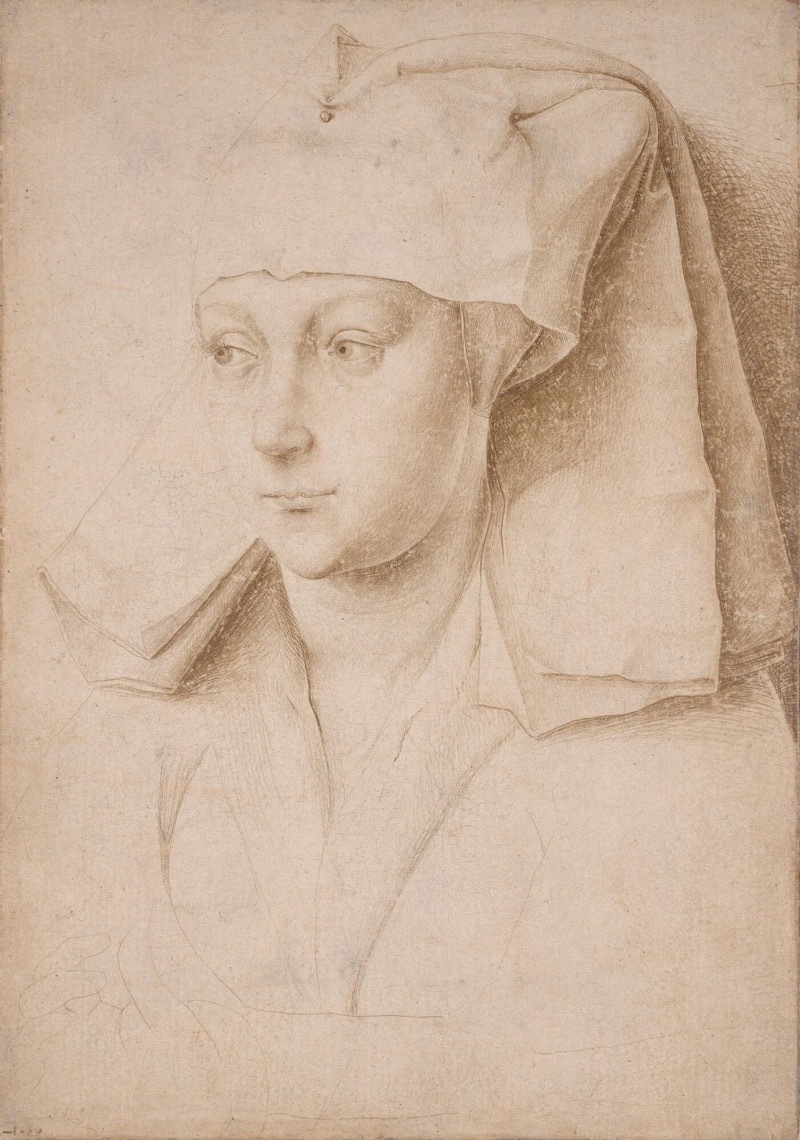
As Horbatsch notes in the catalogue, only a small fraction of 15th-century drawings, the earliest works in the show, survive and all extant examples were made as functional objects in the studio. Drawings were valuable workshop material, handed down from master to disciple. The sole surviving drawing by van der Weyden’s own hand, a silverpoint portrait of a young woman (c.1440), is thought to be a free copy after a lost portrait by Jan van Eyck, and it reveals not only van der Weyden’s practice of copying works by his most famous predecessor but also his subtle use of line and keen observation of texture and facial expression.
Man, it feels great to be doing all my online writing at micro.blog. What a fantastic service @manton has built — and is still building!
Saying goodbye to WordPress. I won’t stop writing longer posts, I’ll just be writing them here and at Cosmos Malick and at a new blog that I am calling, unimaginatively I suppose, Personal History. I’ve begun it by re-posting a few autobiographical pieces from the old WordPress blog, and I will be adding to those over time — largely for my own sake, as I’m trying to make sense of some of the odder things about my life. But since most of my readers are unlikely to be interested in all that, I’ll keep it siloed in its own blog.
It’s all part of the Ayjay Empire, though. As far as I can tell, most of my readers find out what I’m writing through the weekly newsletter/digest and don’t really care to what URL the links go. Nothing will change for you, if you’re one of those people, and little will change for anyone else.
Matthew Butterick says that a key argument of the Big AI companies is
That Big AI companies are the only ones who can protect us from the risks that their products create. But this narrative isn’t believable unless the threat is believable. So Big AI has an incentive to talk up the risks their products create, but no incentive to invest in security practices commensurate with those risks.
A new video by my one-and-only guitar hero Martin Simpson: a cover of “Don’t Think Twice, It’s Alright.”
Here’s a fact for you: My maternal grandfather is buried in the same cemetery as Bear Bryant and Sun Ra.
Perhaps the problem is that we’re desperately trying to turn off the alarm so that we can go back to sleep, when that is not an option. There’s value in a wakeup call. There’s value in moments that bring clarity, whether that clarity leads you to turn inward, to cry out, to gird for battle or to anticipate redemption. But there’s a reason Rosh Hashanah only comes around once a year. You can’t actually live with a shofar blaring in your ears day and night all year round. Without some degree of serenity, you can’t think. And I hope we’re not at the point where we have consciously decided to stop thinking, as opposed to simply having gotten out of the habit.

The famous East Cloister of Gloucester Cathedral, with the earliest known example of fan vaulting. Much larger version of the photo here.

In God’s mercy, this design for the rebuilt Coventry Cathedral was not chosen.
The weirdest thing about the current AI-may-kill-us-all stories is the tone of the people who work for the big AI companies. They’re all like, “Hey, our products may well destroy humanity 😂🤪🤷 okay gonna try this new coffee shop, ciao for now” — Still, just as I’ve been asking how AI is going to “cure cancer,” I’d also like to know how it will kill everybody. The promises and the threats are equally abstract.
I really need to get back to work, but I am still sorting through the events of the past few days and the memories they have triggered. Here’s another meditation, this one on disappeared things.
Many thanks to those who, here and elsewhere, have offered me condolences on the death of my mother. Today I wrote a post about the little country churchyard where my family are buried — and how they came to be buried there. Posting will continue to be slow for another week or more.

Two quick announcements:
Turns out my Sayers biography is already available in digital form — if you’re a subscriber to Oxford Academic: see here.
Over at the Hog Blog, I have a longish essay about the great American autobiographer Pauline Kael. Some links seem to have disappeared from that piece; that’s generally okay, but a key one goes to the interview with Audrey Diwan in the documentary Room 999.
If I don't post much in the coming days and weeks this is why.
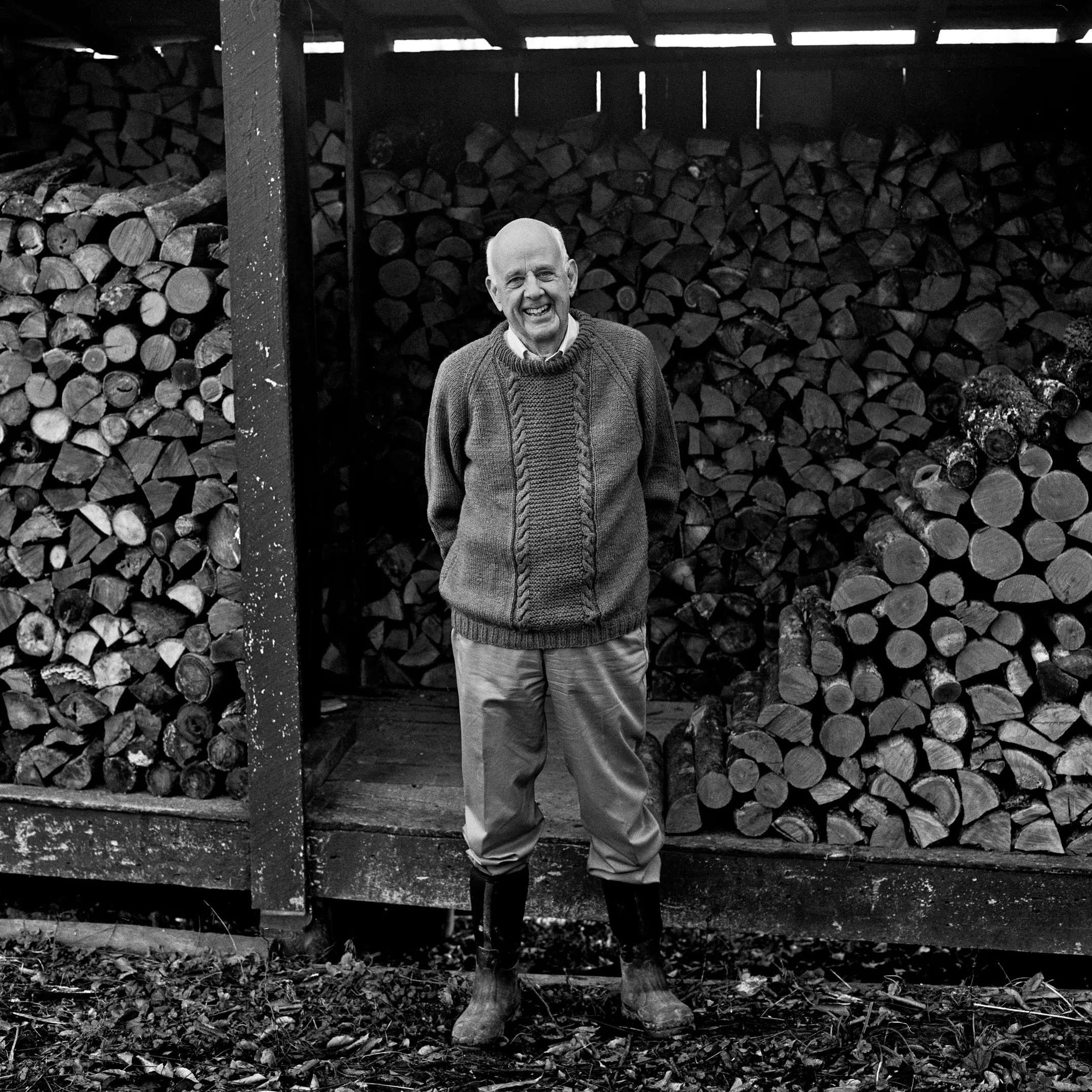
I feel that I ought to say something about what Wendell Berry has meant to me, but I am struggling to articulate it — partly because some family health difficulties are consuming my attention, but also because the debt is deep. Once, in the early 1990s, I was talking with a grad-school friend at a wedding and describing my abiding fascination with Berry, whom I had discovered when, in 1982, I picked up a copy of Standing By Words on the books-possibly-to-be-reviewed table at the offices of the Virginia Quarterly Review. “But,” my friend stammered, “he’s a … a … conservative.” “Yes and no,” I replied. That’s probably where I would start. With that, and with the comment that he is one of the very few contemporary writers I have been reading constantly for more than forty years.
I have a tip for anyone teaching Chesterton’s The Man Who Was Thursday. Begin your class thus: “Imagine that you’re sitting on a bench under a tree reading this book. An acquaintance comes up and asks what you’re reading. You show her. She says, ‘Hmmm. What’s it about?’ What do you say?”
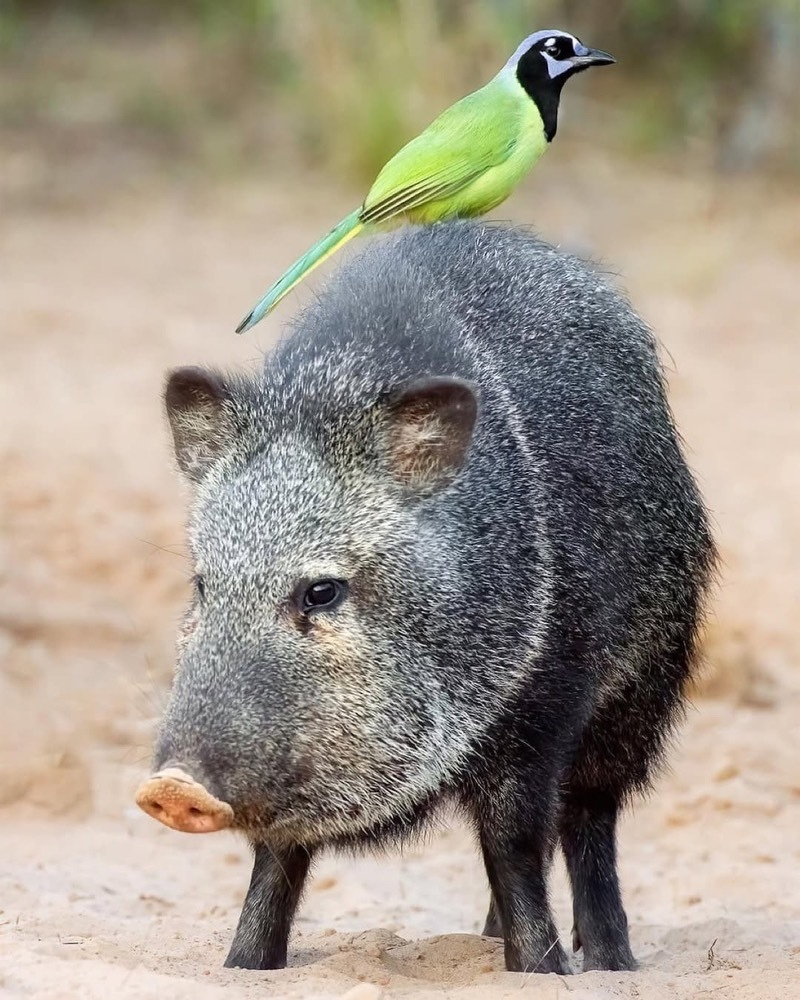
Green jay on javelina; South Texas represent. Via Texas Parks & Wildlife.