
Just a note on how I use micro.blog, in response to some emails: not as a social-media platform. Instead, I follow people in my RSS reader, and only open micro.blog to reply to someone I follow. Also, I write my posts in MarsEdit. So if you reply to me, I am very unlikely to see it. (And I guess I should add that one thing I learned from my years on Twitter is to be very wary of interacting online with people I don’t know IRL.)
 Subscribe
- Public lists
- Manton Reece - Blogroll
- Fetched
Really interesting comment by Ethan Iverson in his interview with Deborah Gordon, the owner of the Village Vanguard. She asked him who he wishes he had seen at the Vanguard:
Well, like you I would have seen Monk … Coltrane and Miles Davis, of course … But you know what? I like Bill Evans but only up to a point. However, those that saw Bill Evans live said the sound he got out the piano was really extraordinary and that the overall ambience was utterly seductive. I hear that extraordinary sound on the records, but I think I could have learned something by sitting close to Bill Evans at the Vanguard one night.
Always interesting when you’re reading a work of history, in this case Charles Norris Cochrane’s matchless Christianity and Classical Culture, and find something that shines a bright and direct light on your own moment.
To Eusebius the glorious and unexpected triumph ...
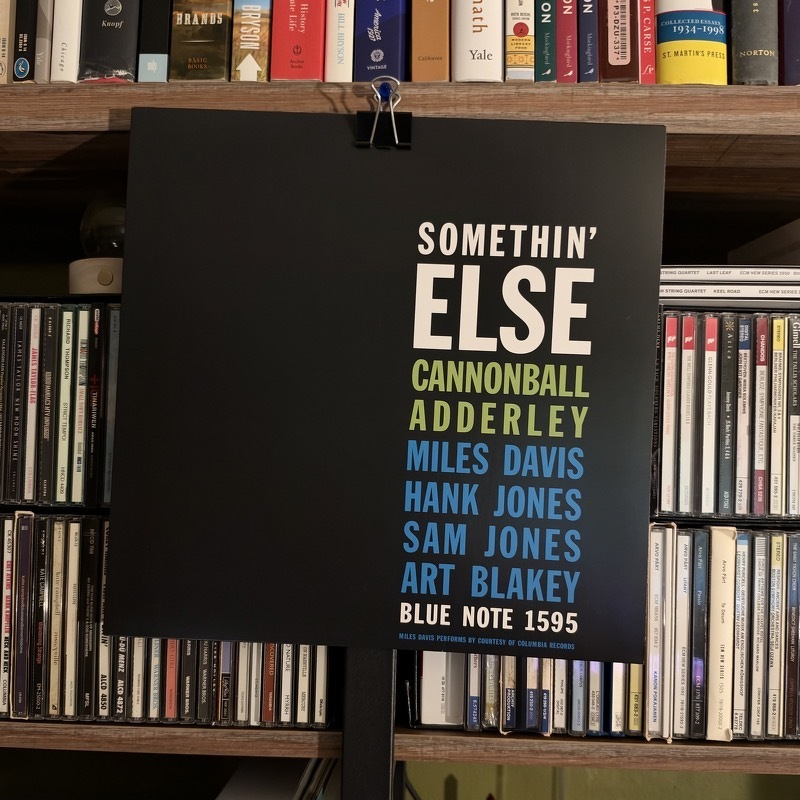
Inordinately pleased with my little hack of hanging the jacket of the album I’m listening to from a binder clip. This record, by the way, is a neglected masterpiece, with Miles as a sideman (if Miles ever actually is a sideman, which I doubt). Also: Blue Note’s design staff in this era! This jacket was designed by the great Reid Miles. 🎵

Currently reading: Middlemarch by George Eliot. This won’t be my last time reading this infinitely lovable book, but it will be my last time teaching it, so I’m warning my students to expect some melancholy moments. 📚
I’m very frustrated by Ezra Klein’s timidity in his interview with Jensen Huang. Ezra seems unaware that Huang is a salesman; he should have conducted the entire interview with that in the forefront of his mind. He offered very little pushback and effectively let Huang make a 2-hour sales pitch for his company and his industry.

Chilling after a nice long walk through the neighborhood, during which two different people I don’t know said “Hi Angus!” So my dog is a local hero as well as an internet celebrity.
When Grant conquered Vicksburg, did Lincoln say, “The Union now controls the full length of the Mississippi River”? He did not. Instead he said, “The Father of Waters flows unvexed to the sea.”
New post at Cosmos Malick: IRL.
These are just lovely.
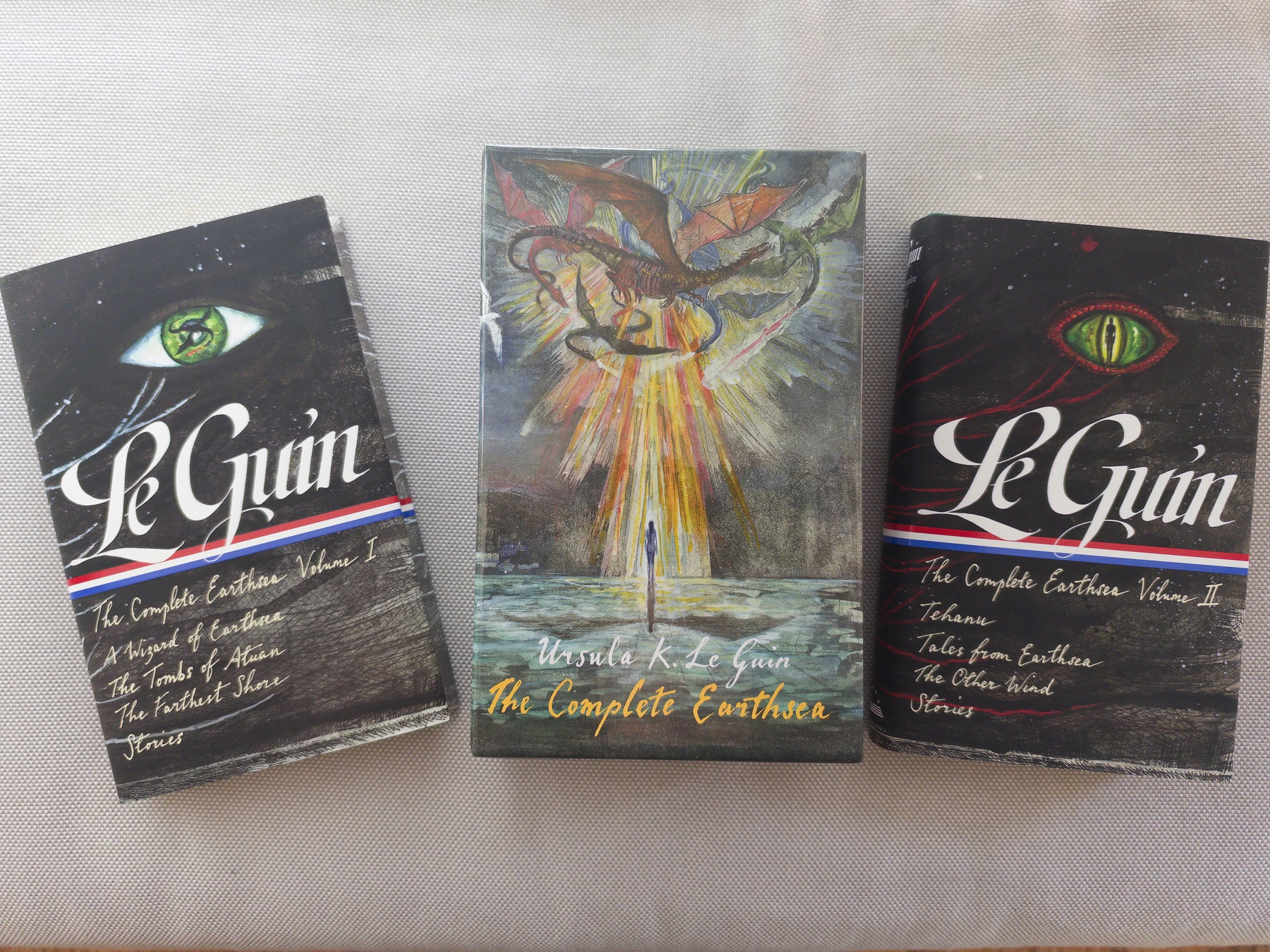
European resistance to air conditioning is often framed as a story of puritanical self-flagellation, as an insistence on managing energy crises by a regime of perpetual austerity rather than building out clean, abundant energy sources. But I think this is an over-generous framing driven by pundits who have never had a frivolous bone in their effectively altruistic bodies. Some of us just really hate looking at ugly things, and we’re willing to make you suffer so that we don’t have to.
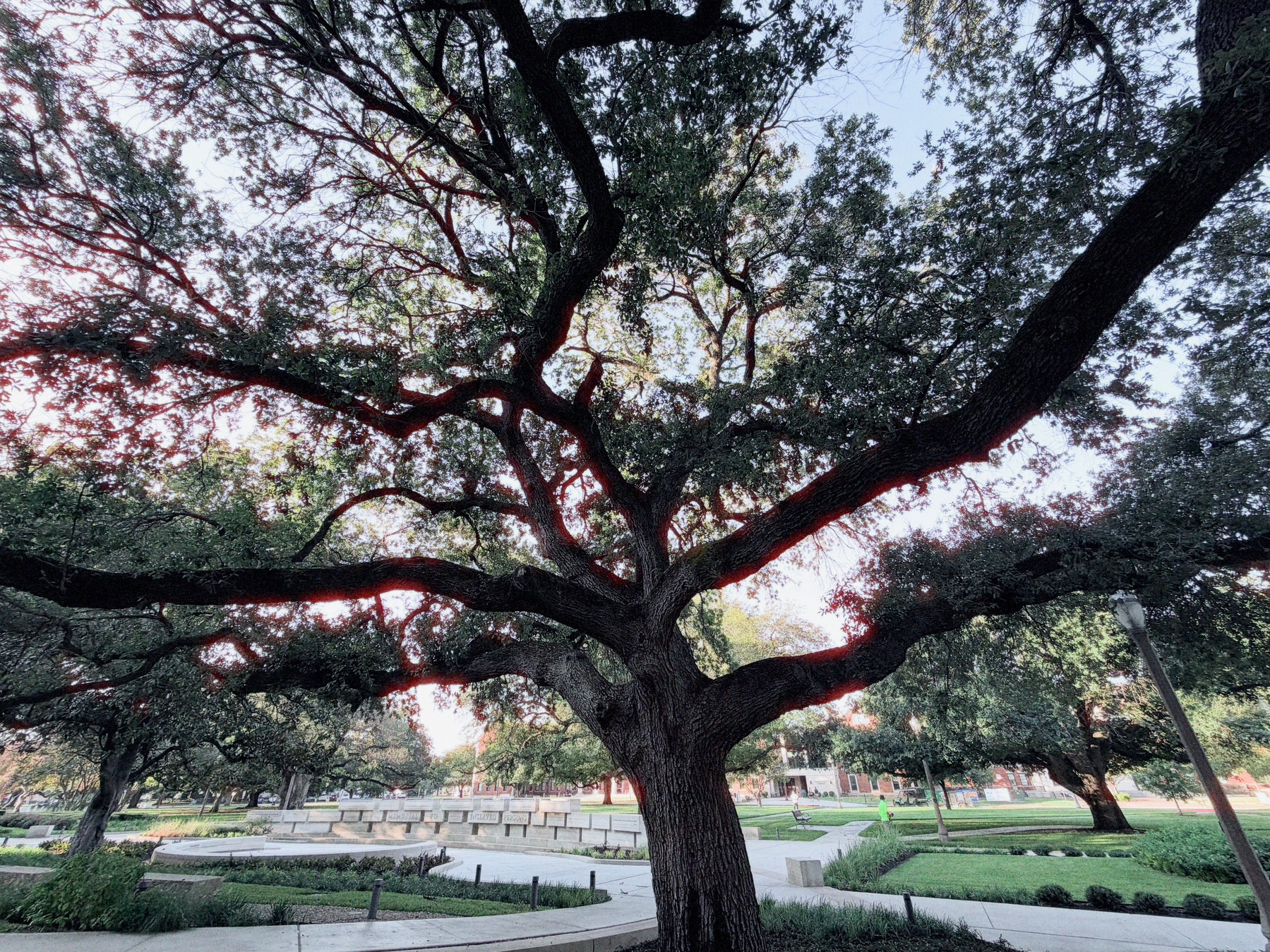
Even mighty heroes need to have a sit-down now and then.

South Pole of Mars. Bigger version here.
The consensus vision seems to involve AI working for you day-to-day, a constant ambient presence, sparkles in everything; even cautious Apple has succumbed. I’m not interested in that.
My alternative: get your wish, then stuff the genie back into the lamp.
Behind the JSTOR paywall, but the essay that made Wendell Berry an essential guide and companion for me is “Standing by Words.”
Against Mr. Winterowd's definition of literature, it will be instructive to place a definition by Gary Snyder, who says of poetry that it is...
An Annie Dillard essay I think of often: “Singing with the Fundamentalists” (1985).
Every few years some bold and sincere Christian student at this university disagrees with a professor in class — usually about the professor's out-of-hand dismissal of Christianity. Members of the faculty, outraged, repeat the stories of these rare and uneven encounters for years on end, as if to prove that the crazies are everywhere, and gaining ground. The notion is, apparently, that these kinds can't think for themselves. Or they wouldn't disagree.
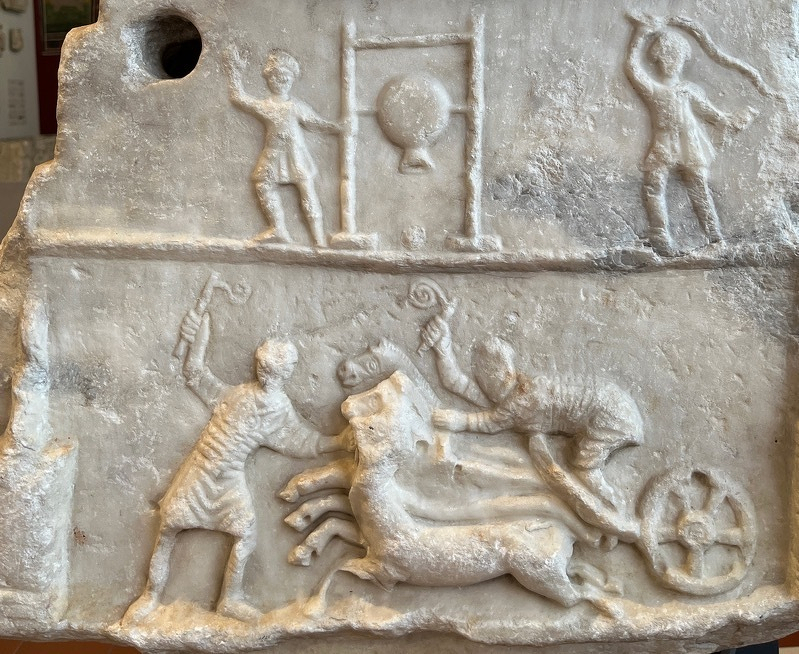
It’s always fun when Neal Stephenson goes down a physical-mechanics rabbit hole.


Finished reading: The Rise and Fall of the Artificial State by Jill Lepore. It’s a brilliant book — right down my alley in a dozen different ways. There’s a problem, though: it’s a book, and the people in government and the tech sector who most need to understand the s...
“Mr Pochettino? Call from London for you.”
Phil Christman:
She called herself a “gregarious recluse,” but there was in her single-mindedness no retreat from the world. She had simply found her place in it, and through luck and privilege (which is also, finally, at the individual level, just luck), been allowed to st...
On wherewithal and the lack thereof, for my BMAC supporters.
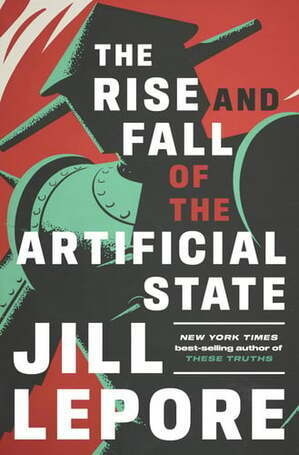
Jill Lepore, The Rise and Fall of the Artificial State:
This book is an inquiry into what humans mean and intend in abandoning constitutional democracy, the liberal nation-state, and even humanity itself for rule by automation, government by machine, and replacement by artificial intelligence. Much in history is headlong but few grand transformations have been more precipitate or more heedless than the rise of what I call the Artificial State. Yet little seems to me more inevitable than its eventual fall, the exhale that follows every inhale, the day that follows night, Icarus’s plunge to the ocean after flying too close to the sun. The Artificial State is a fantasy about humans, machines, and the earth. This book is an archaeology of that fantasy.
📚
Endgame for the Open Web - Anil Dash:
Now, the hectobillionaires have begun their final assault on the last, best parts of what's still open, and likely won't rest until they've either brought all of the independent and noncommercial parts of the Internet under their contro...
A tech story that I think has been underplayed: Google’s collapse into incompetence. There’s been widespread frustration with the worsening quality of web searches, but in addition:
- Search in Gmail often fails utterly, turning up no results even when I am looking right at an email containing the string that I’m searching for;
- On recent trips, Google Maps has failed to find prominent destinations and has sent me on strange detours (I’ve had to delete it from my phone);
- Gemini is still offering the kinds of comically inaccurate, hallucinatory answers to questions that Claude and ChatGPT overcame two years ago.
Some services are still functional — as far as I can tell, Docs still works — but the company overall is starting to look like a dumpster fire.
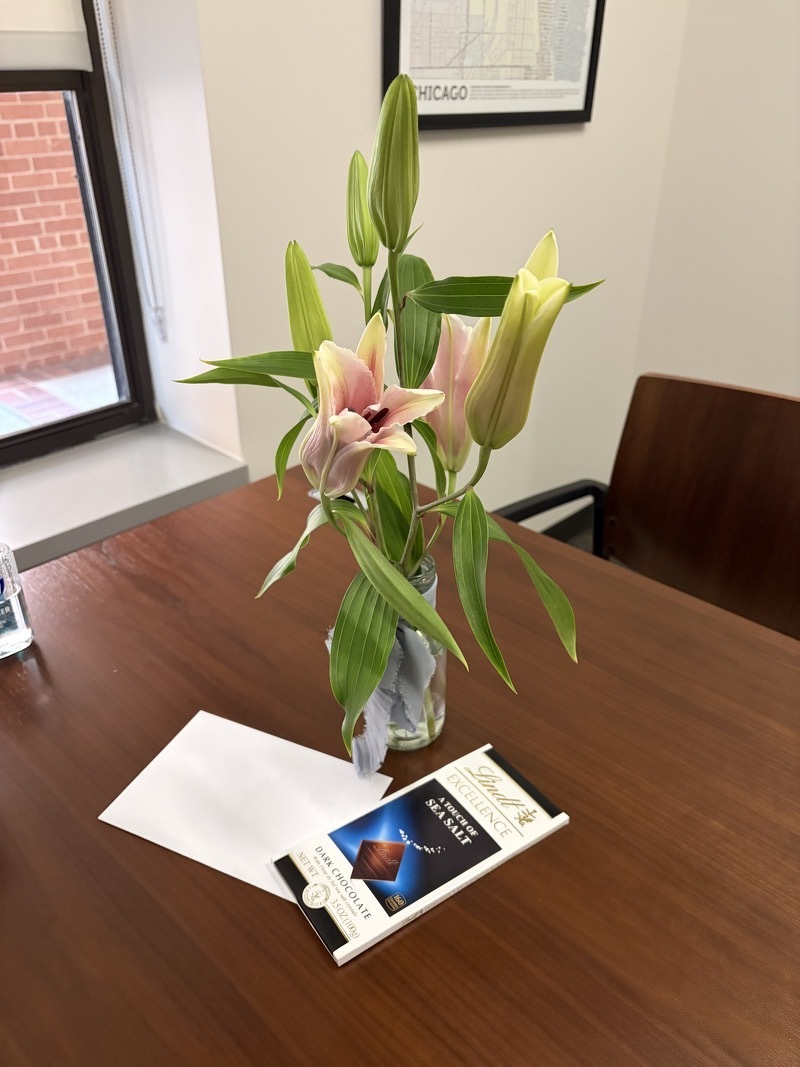
Showed up in class today and found on the desk flowers, chocolate and a consolation card signed by all my students. That is so sweet.
My old friend Carlos Eire:
Ever since 2013, this class [The Catholic Intellectual Tradition, at Yale] has attracted highly motivated students who are eager to explore a dimension of thought previously hidden from them, simply because the texts we read and discuss have not b...