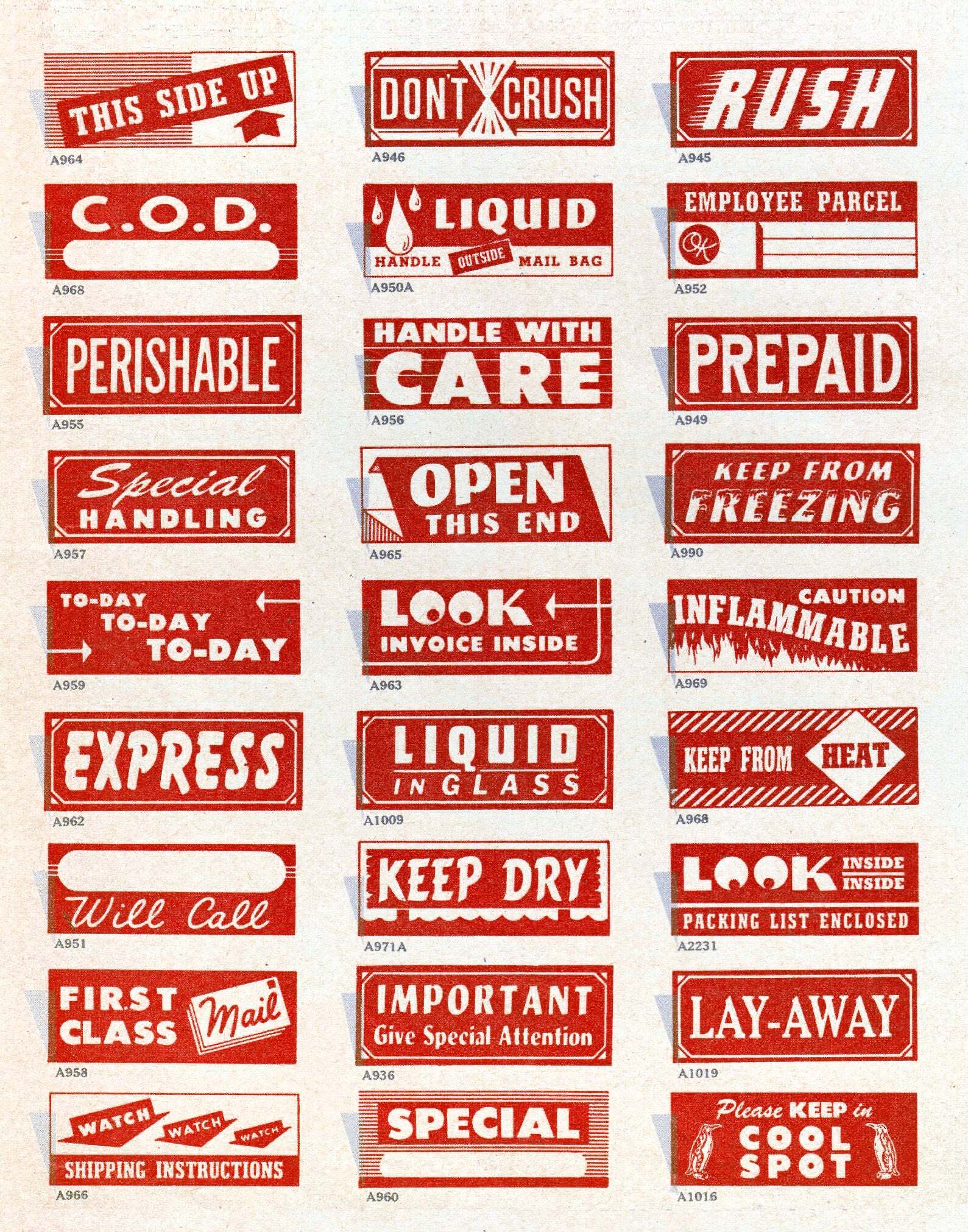
The one I need to paste on myself is “DON’T CRUSH.”
 Subscribe
The one I need to paste on myself is “DON’T CRUSH.”
Set in Turkey and filmed on location in Germany with no attempt to hide the artifice, the trenchantly honest and terrifically acted new film from The Teachers’ Lounge director Ilker Çatak might be the most important film yet made about Donald Trump’s America. Though it obviously has more specific ties to Turkey’s authoritarian President Recep Tayyip Erdoğan, Yellow Letters has plenty to share with western audiences about the role of art in political protest and the myriad forms that cancel culture can take.
So many of my fellow Americans think everything is about us — and also, apparently, that anything that’s not about us isn’t worth paying attention to.
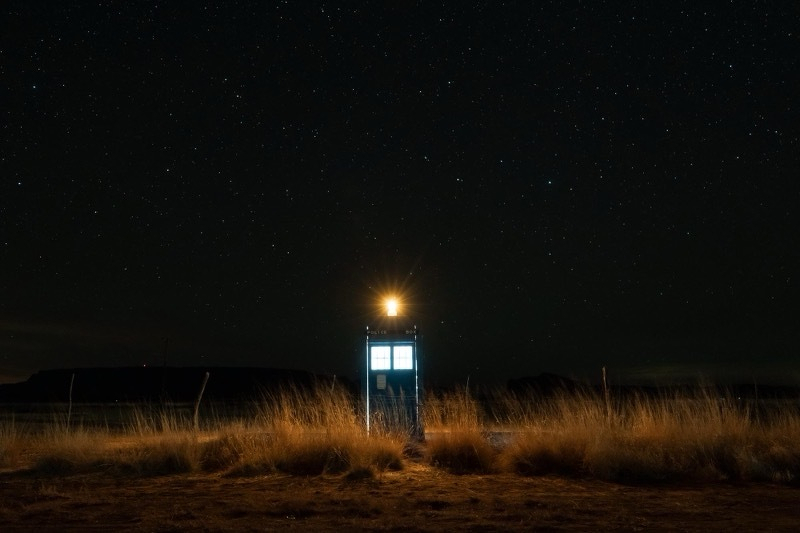
The Terlingua Tardis
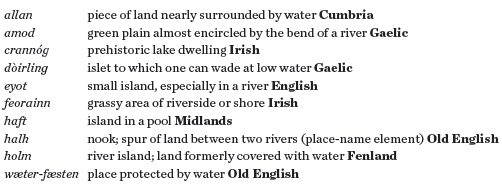
A decade ago Robert Macfarlane published a wonderful book called Landmarks — I reviewed it here — which argues for the preservation and extension of the accurate description of our natural environments. The book collects, from a range of British places, local words for local things, and Macfarlane calls that collection his Counter-Desecration Phrasebook. It occurs to me that we need many Counter-Desecration Phrasebooks to help us protect and preserve what Gandalf calls “all worthy things that are in peril as the world now stands.”
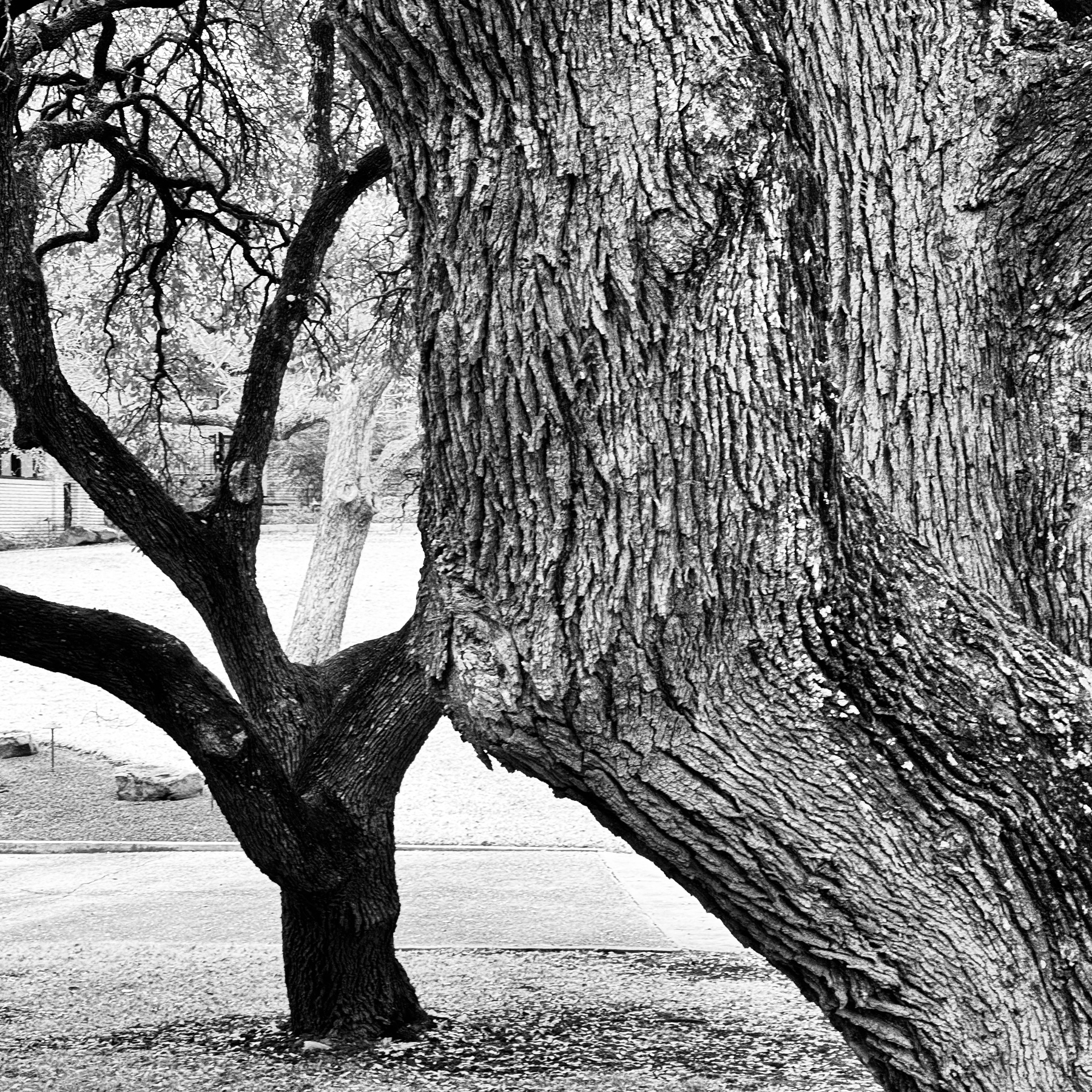
I’ve been trying to tutor Angus in the need for a sober and reflective Lent, but I don’t think he’s getting the concept.

In church yesterday we began the service with the Great Litany. As the choir repeatedly circled the congregation, with our music minister chanting the versicles and all of us responding to them, I felt myself part of a much larger phenomenon, the penitential procession of the whole Church as we enter Lent. Good Lord, deliver us … We beseech thee to hear us, good Lord … Son of God, we beseech thee to hear us.
I can’t remember whether my review of a collection of poems by Czeslaw Miłosz has previously been liberated from its paywall, but it’s free to read now.
It’s a weird time, to say the very least, to be putting out a book about curiosity and wonder and freedom and fun and humor and imperfection and magic. But it’s also a time when, I think, we could desperately use those things in our lives. Watching my kids draw and make music and come alive to the world unlocked something in me that I’ve been trying to get into book form for over 10 years.
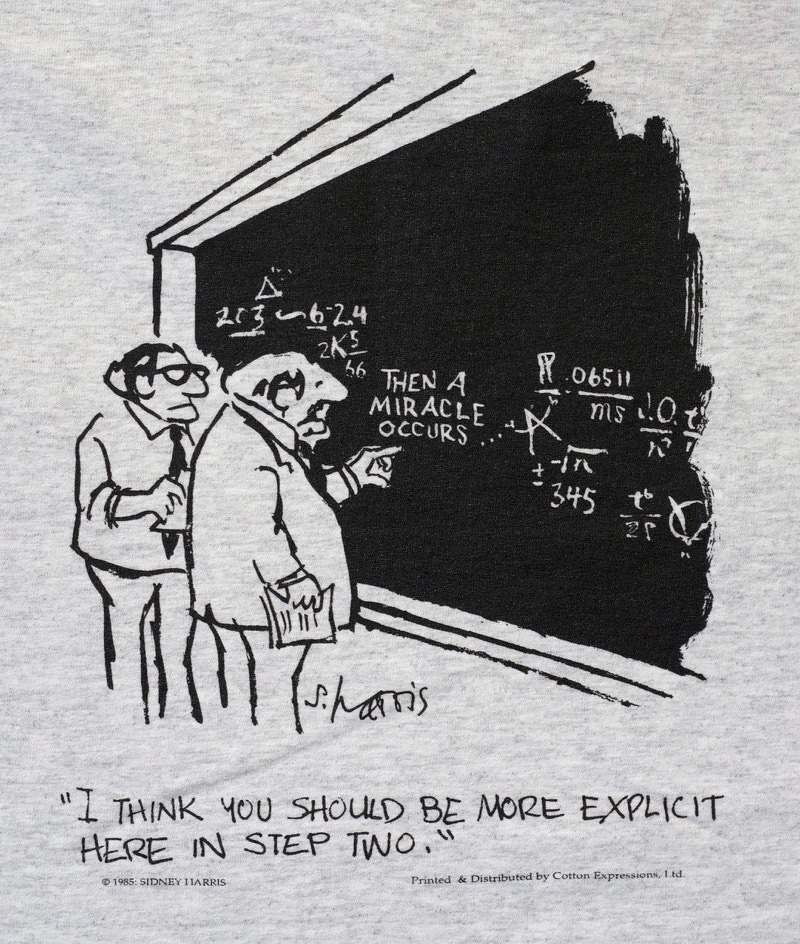
I keep hearing AI advocates say that the universal deployment of AI will create a “productivity explosion” and “unprecedented wealth creation” and will “end poverty.” All I want to know is: How? How will the money made by the big AI companies end up in the pockets of the poor? I’m not even asking for a plausible scenario — I’d be happy to see any scenario at all, anything more than “THEN A MIRACLE OCCURS.”
By me: Blow-Up: A Parable
I’m pleased to say that I will be editing another volume in the Auden Critical Editions series: the 1951 collection Nones.

Can’t imagine a better Lenten endeavor than to read and reflect on Matt Milliner’s close encounter of the chatbot kind.
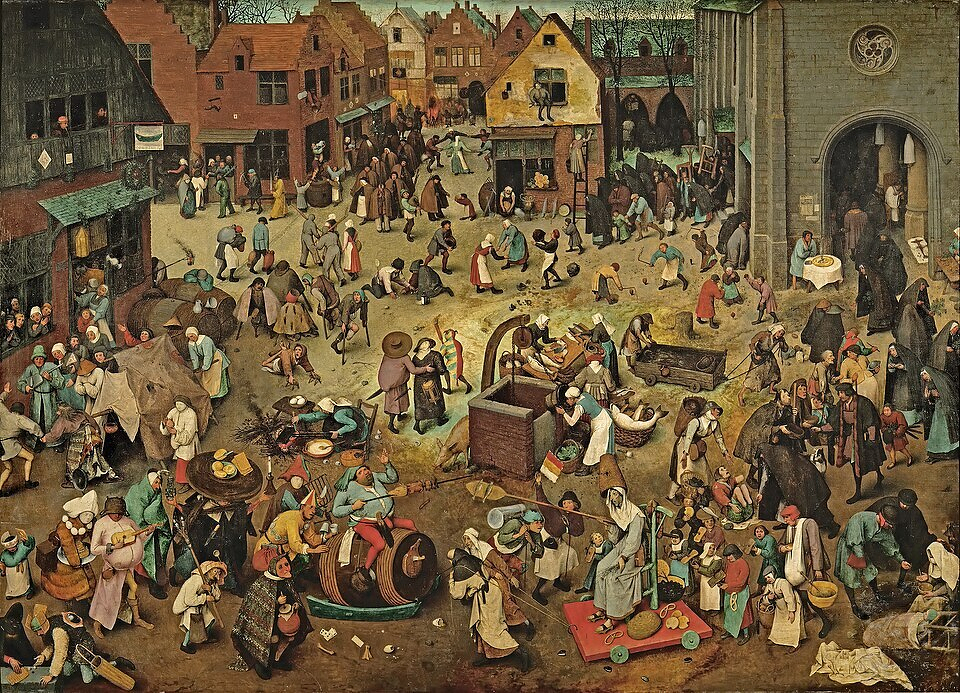
Pieter Bruegel the Elder, The Fight Between Carnival and Lent. Very large version here. As Auden reminds us, one of the most noteworthy elements of these crowded Bruegel paintings is the depiction of people going about their own business, completely oblivious to whatever theme or topic the painting is supposed to be depicting.

Currently reading: Why I Am Not an Atheist: The Confessions of a Skeptical Believer by Christopher Beha 📚
Mary Elizabeth Groom’s engravings from the 1937 Golden Cockerel Press edition of Milton’s Paradise Lost:

Last week I announced to my BMAC supporters that I’ll be severely curtailing my Big Blog for the foreseeable future, but I’ve discovered that I have a few drafts of essays — nearly finished or else complete but with no obvious home — that I could post. So one of those went up today: it’s on making movies and making war. I wrote it after reading Dan Wang’s Breakneck.
I’m grateful to Amanda Patchin for this generous review of my Paradise Lost biography.
Thinking of buying this house — I mean, how much could it cost?
I often think of a passage from David Foster Wallace’s famous essay on television, “E Unibus Pluram,” in relation to our current media environment:
TV is the epitome of Low Art in its desire to appeal to and enjoy the attention of unprecedented numbers of people. But it is not Low because it is vulgar or prurient or dumb. Television is often all these things, but this is a logical function of its need to attract and please Audience. And I’m not saying that television is vulgar and dumb because the people who compose Audience are vulgar and dumb. Television is the way it is simply because people tend to be extremely similar in their vulgar and prurient and dumb interests and wildly different in their refined and aesthetic and noble interests.
I would rather call it Writers for Writing, but sure, sign me up.
As a friend who works in Al told me, Al heightens the contradictions. It is a boon to those with the motivation and background to cultivate knowledge but it spells total destruction for the system of universal education and credentialing. My worry is that we may run out of people with motivation and background to learn, know, and do. In the future, Gen X and millennial knowledge workers will be the human capital equivalent to pre-war steel. Just as particle detectors need steel forged before atmospheric nuclear testing gave all newly forged steel unacceptable background radiation, we will discover that even if your job mostly consists of interacting with LLMs, doing so well will require people who remember what it was like to read and interpret a document or contrast two ideas without asking an LLM to do it for you.
I’m very much enjoying teaching Lud-in-the-Mist again. A few years back I wrote a brief essay about it.
A heart-breaking and heart-healing reflection by Rachel Teubner on birth and death in an endlessly mobile world.