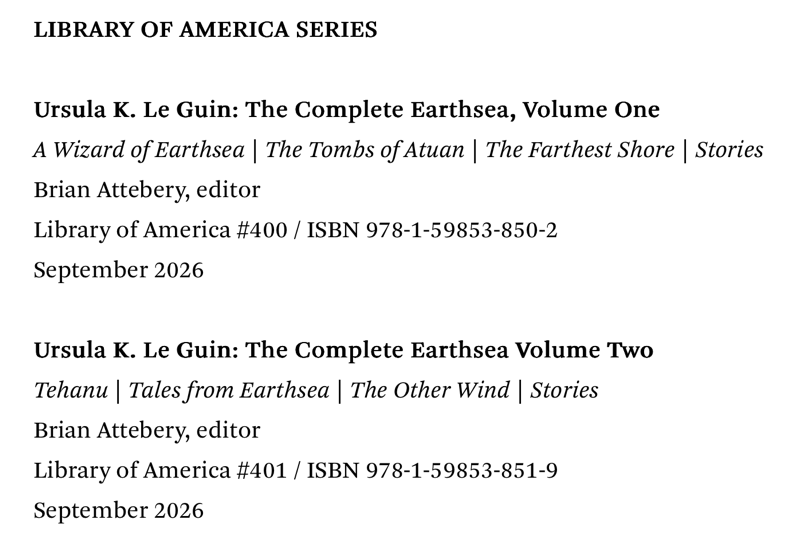
A reminder to my U.S. readers: now that Francis Spufford’s Nonesuch is published here, you have an absolute moral and aesthetic obligation to buy it and read it. It is a magnificent book — and the first of a pair! (The second one is in progress.)
 Subscribe
- Public lists
- Manton Reece - Blogroll
- Fetched
Francis Young:
As we enter Holy Week and Lent draws to a close, I feel a certain relief; not just because I have given something up for Lent that I rather miss (in my case, beer), but because I find that Lent can quite easily become spiritually toxic – at least for me. It c...
The [left hemisphere of the brain] is unreasonably optimistic, and it lacks insight into its limitations. The [right hemisphere] is more realistic, but tends towards the pessimistic.
— This from McGilchrist is especially interesting in light of my recent quote from Scruton’s The Uses of Pessimism.
I’m going in: The Matter With Things: Our Brains, Our Delusions and the Unmaking of the World by Iain McGilchrist 📚
Bertrand Russell (1932):
Modern technic has made it possible to diminish enormously the amount of labor necessary to produce the necessaries of life for every one. This was made obvious during the [Great] War. At that time all the men in the armed forces, all the men and wo...
I started to blog something about this new Cal Newport essay, but then I thought: Why? Everyone already knows all this. If you haven’t changed your habits by now, are you likely to do so? Newport is right to say that there is precedent for a widespread transformation of American habits, but the difference between our current situation and the unhealthy-eating-no-exercise 1950s is that those previous bad habits weren’t nearly as addictive as the ones that are consuming human minds today.
(https://www.theguardian.com/football/2026/mar/29/igor-tudor-leaves-tottenham-after-44-days-with-club-mired-in-relegation-troubled) is the shortest Tudor reign since Lady Jane Grey.
Chatbots’ brains don’t have a right hemisphere.
My former professor Don Hirsch, who late in his career turned from literary theory and hermeneutics to education reform, is still writing about education — at the age of 98. I’m trying to decide whether I want him to me my role model….
Jesus did not say, “Blessed are the agentic.” Christianity is not supposed to be primarily a faith for educated strivers. And any revival that doesn’t give the drifting or disaffected a surer reason for belief, that doesn’t lift up the lowly or reach the poor in spirit, would be a revival unworthy of the name.
The Uses of Pessimism by Roger Scruton:
Unscrupulous optimists believe that the difficulties and disorders of humankind can be overcome by some large-scale adjustment: it suffices to devise a new arrangement, a new system, and people will be released from their temporary p...
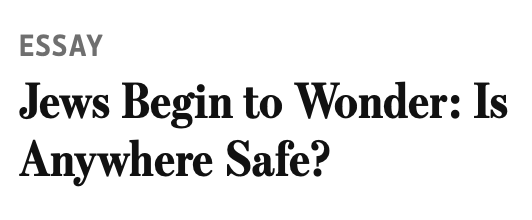
“Begin”?

I had decided to suspend, and maybe not resume, writing on my big blog, but it’s my intellectual sandbox, the place where I try out ideas to see how they work out. I have missed that. So gradually I’m resuming, and: here’s a post explaining why Plato’s Republic has the wrong title.
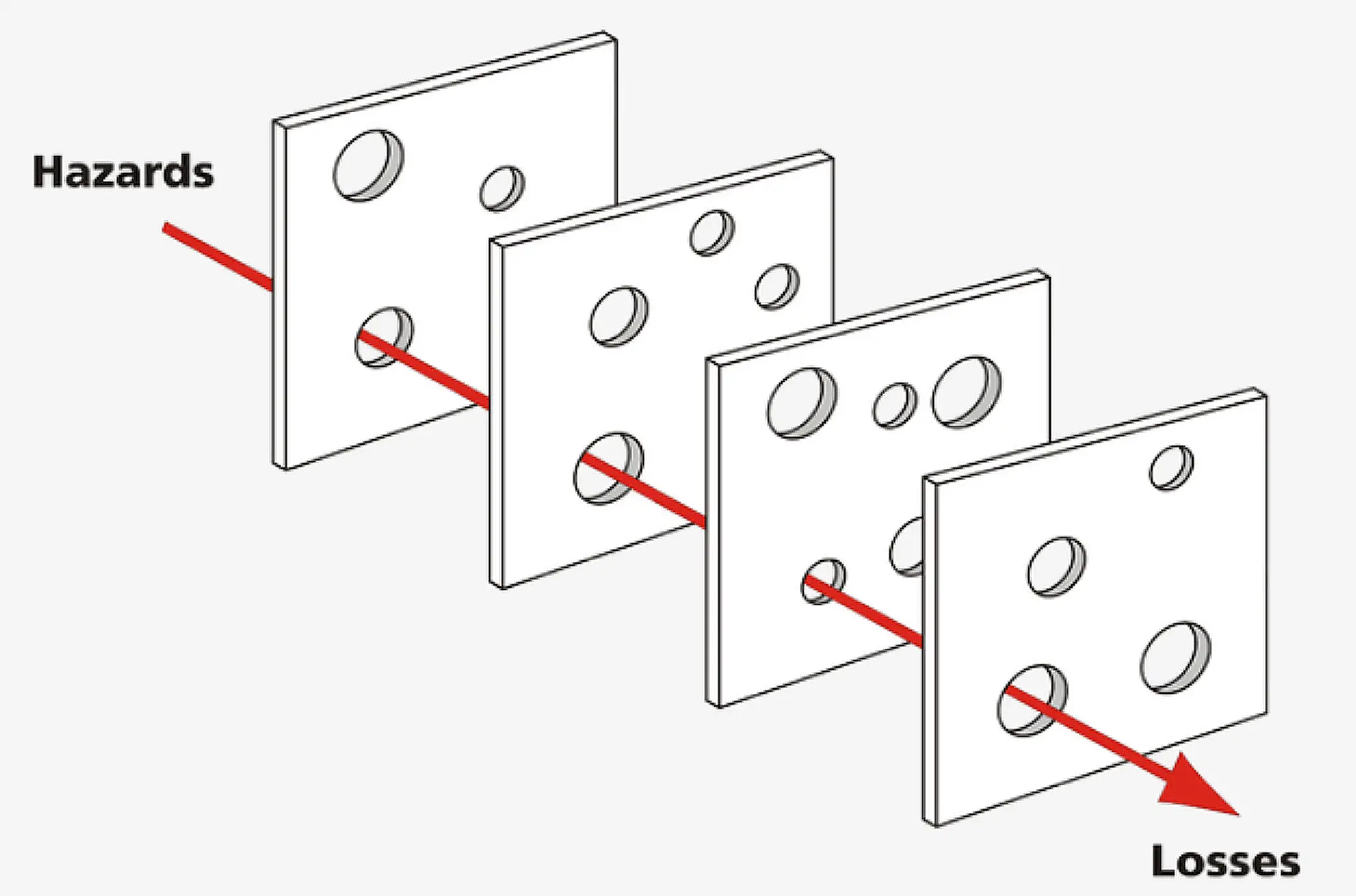
James Reason’s Swiss cheese model of failure, which I learned about from this essay.
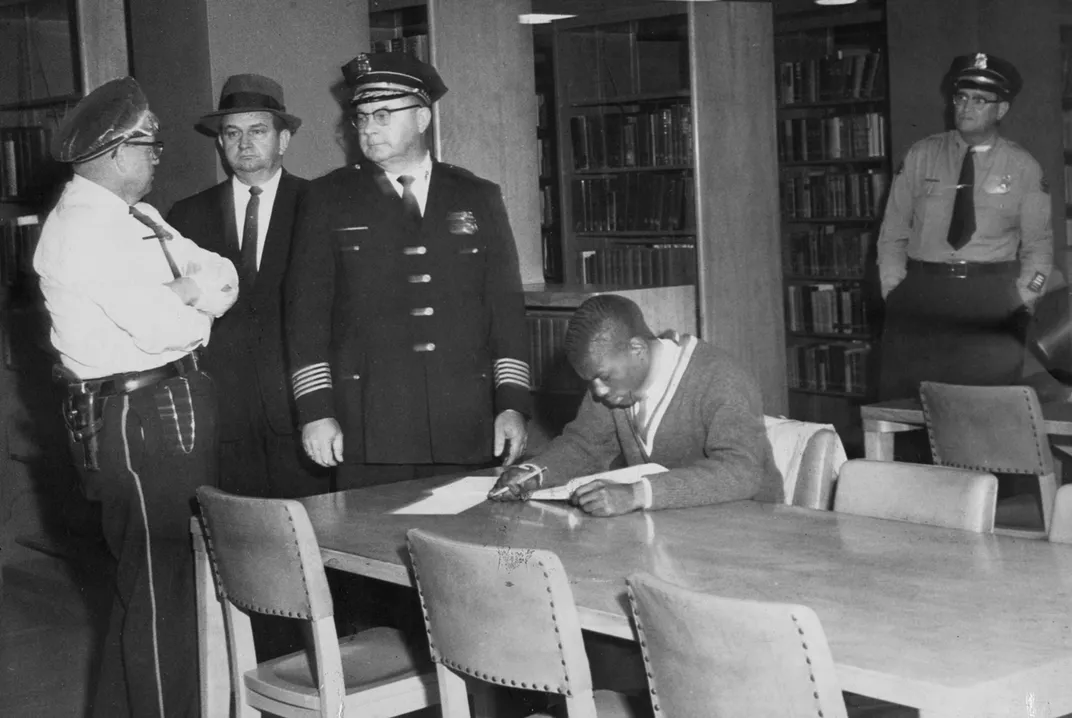
James Bradford, one of nine students arrested for reading in the Jackson, MS public library in 1961.
In societies where freedom is under threat, an informed citizen is countercultural and deep reading is an act of resistance. Just as protest and vigilance are essential, so is the ability to read and think. In a would-be autocracy, the autocrat aims to subsume our society’s particular narratives into his master narrative — in which his name fills the headlines, his voice and image dominate the broadcasts, and his airbrushed visage appears on the facades of government. To read a book, however, is to enter a narrative that stands outside the politics-and-media maelstrom. In a would-be autocracy, even a small bookstore — with hundreds of books, classic, recent, and current — is a space of contrary narratives, where truth is recognized as both essential and complicated.
Anthony Lane:
I remember listening to “Bedtime Stories,” Madonna’s 1994 album, and being surprised by a moony track called “Love Tried to Welcome Me,” which contains the lines “But my soul drew back, / Guilty of lust and sin.” This is an unacknowledged but unmistakable nod ...
Accidental glamour shot


The Republic of Plato, trans. Allan Bloom, from Book VIII:
“Mustn’t it first be told how the transformation from timarchy to oligarchy takes place?”
“Yes.”
“And really,” I said, “the way it is transformed is plain even to a blind man.”
“How?”
“The treasure house full of go...
John Thorn on the history of baseball’s strike zone.
It is perhaps not an accident, then, that at the same time distraction poses an existential and spiritual threat to the fullness of being human, so many forms of modern religion have become an engine for domesticating the divine. Overly confident in their conception of the divine, for example, public forms of Christianity seem to eviscerate mystery. A God that can be conceptually encompassed and comprehended is invoked to carve up the world into a culture war of “us” vs. “them.”
In the face of such distraction and domestication of the divine, we can hear afresh Karl Rahner’s prescient insight: “The Christian of the future will be a mystic, or will not exist at all.”
My dear mother-in-law, Margaret Hall Collins, is 102 years old today!
Thomas Pynchon, from liner notes for an album of Spike Jones music (1994):
Nowadays, when everybody knows everything and nobody takes any text seriously, it’s hard to remember how it felt once to share a public world not as contaminated by the terminally wised-up irony that has come to pervade our own lives.
Even more true today.
How ‘Tiny Shortcuts’ Are Poisoning Science:
By itself, failure to replicate does not necessarily indicate, and certainly not prove, scientific fraud. Empirical results can vary for many reasons. However, replication analyses usually show that replicated effect sizes are, on...
I wrote about my two essays in the new issue of the Hedgehog Review, both of which are about human obligations.
I do not need these books. I do not need these books. I do not need these books.