
BBC & ESPN. Pretty sure that if Bosnia haven’t scored by the 85th minute this ref will give them a penalty.
 Subscribe
- Public lists
- Manton Reece - Blogroll
- Fetched
If I still lived in northern Illinois I would surely cheer for 🏴 against 🇲🇽 — but here in central Texas I think the power of neighborliness will shift my allegiance. Sunday will tell. Gonna be FUN.
I’ve updated my home page with a link to OUP’s page for my biography of Dorothy L. Sayers, now scheduled for publication on 28 November. I’ll add other options for pre-order as they become available. I had a lot of fun writing this and I think you’ll enjoy it also. I’m pleased that, in a series whose books average about sixty bucks each, OUP priced this one for a broader readership.

Here’s a post on why an argument about how humanists’ defenses of the humanities are bad is itself a worse argument than the ones it critiques. I’m gonna have to write a follow-up to this but … not soon.

Substack’s decision to turn itself into a social network has been successful in at least one sense: With a few exceptions (Austin Kleon for instance), Substackers only link and respond to other Substackers. For people deeply invested in that platform, Substack is the internet.
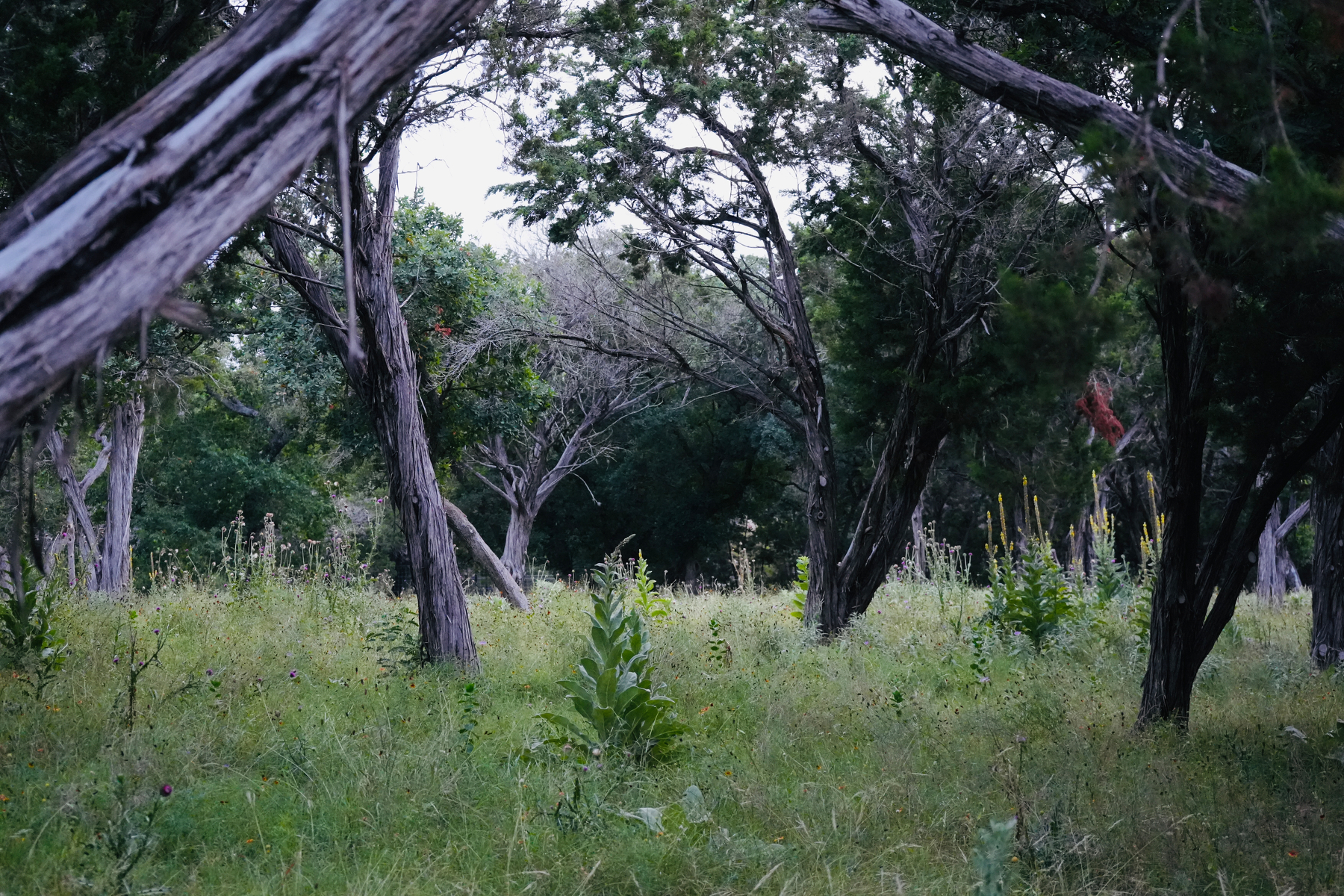

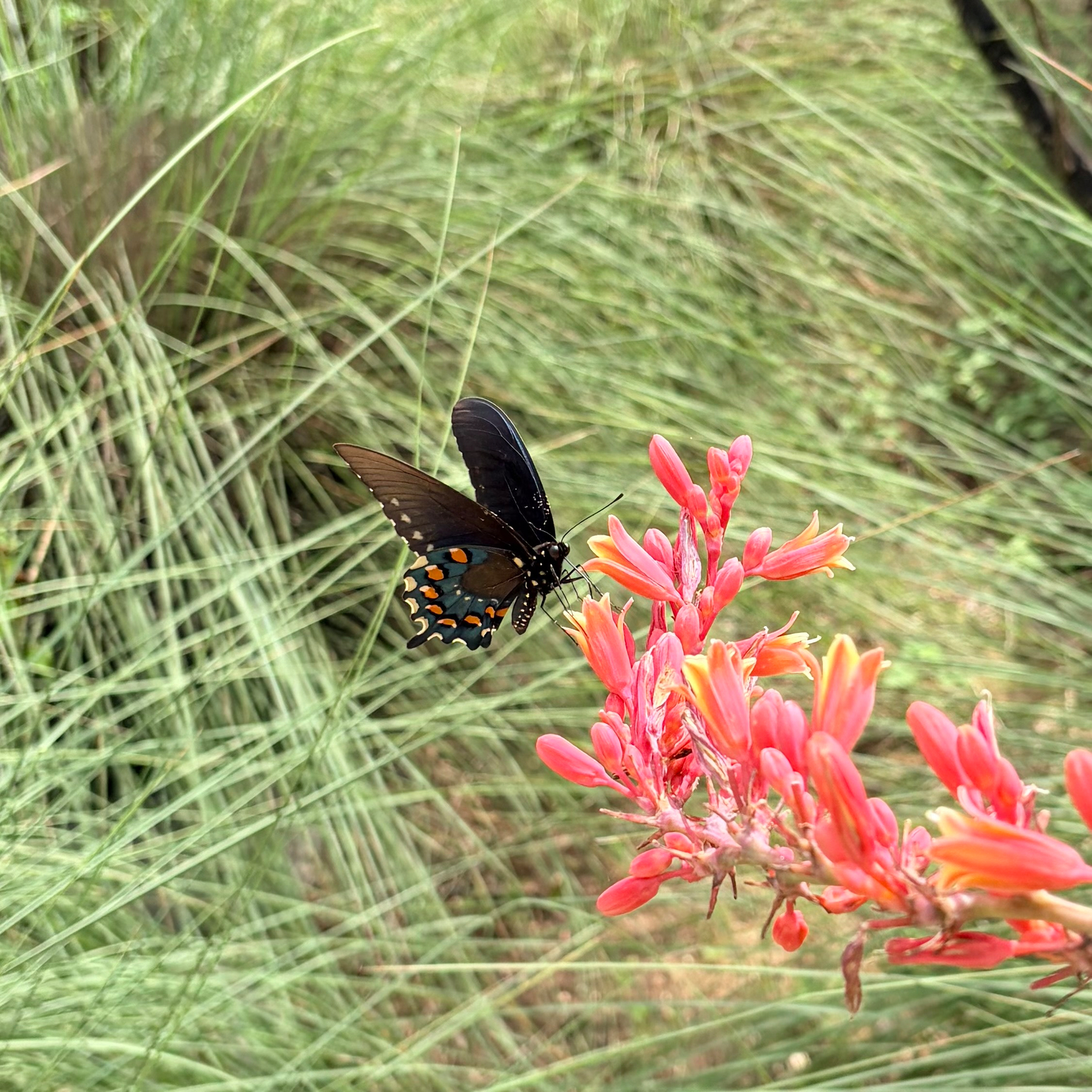
No þinge is meriar þen Ihesu to synge. — Richard Rolle

Austin in the 1950s. I saw the premiere of Malick’s A Hidden Life at the Paramount in 2019. Congress looks a little different now.

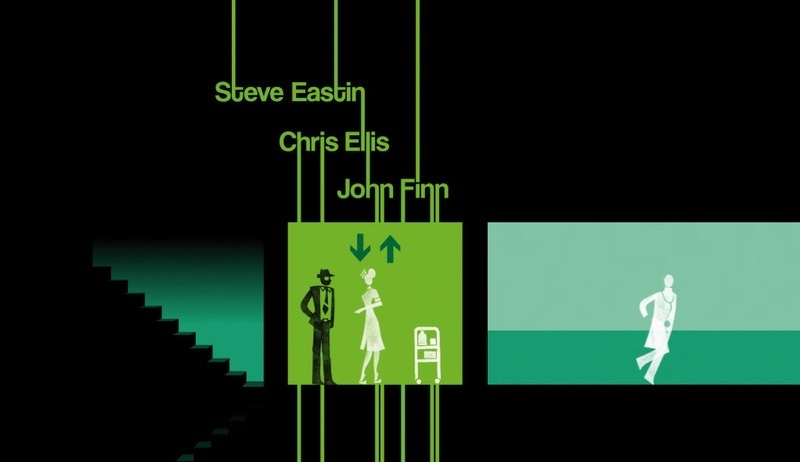
Speaking of title sequences, here’s a post on Disney’s.
For anyone who has spent time at Penn Station — and, for my sins, I’ve spent a good bit of time there over the years — it’s always a shock to be reminded what it used to look like.
My friend Austin Kleon has four notebooks, but I have only three: a planner, a journal, and a movie notebook. Whenever I watch a movie I write some brief thoughts on it. I started this practice just a few years ago, and I am now getting to the end of my second notebook. I love looking back through what I’ve seen and how I have responded — especially when I re-watch films, which I often do.
Eno, 1995:
Whatever you now find weird, ugly, uncomfortable and nasty about a new medium will surely become its signature. CD distortion, the jitteriness of digital video, the crap sound of 8bit — all these will be cherished and emulated as soon as they can be avoided.
It’s the sound of failure: so much of modern art is the sound of things going out of control, of a medium pushing to its limits and breaking apart. The distorted guitar is the sound of something too loud for the medium supposed to carry it. The blues singer with the cracked voice is the sound of an emotional cry too powerful for the throat that releases it. The excitement of grainy film, of bleached-out black and white, is the excitement of witnessing events too momentous for the medium assigned to record them.
The absolute definition of being “in the pocket” is Al McKay’s rhythm guitar on “That’s the Way of the World.”
Feel free to play Guess the Location of this old photo (taken by me) if you want.

The love of humanity is a thing supposed to be professed only by vulgar and officious philanthropists, or by saints of a superhuman detachment and universality. As a matter of fact, love of humanity is the commonest and most natural of the feelings of a fresh nature, and al...
“Artificial in- telligence”? “Machine learning”? I say: daikaiju.
I’ve said most of what I have to say about machine learning, and there are plenty of other people doing the heavy lifting on that topic. Mike Sacasas had a typically wise and incisive post the other day, and The New Atlantis is hosting a council on AI ethics. I’d prefer to make this site a cabinet of curiosities. And when I do comment on AI it will be in the form of haiku, or, as I prefer to style the word, haiku.
Marcin Wichary is absolutely correct: Paste And Match Style solves one problem whole creating others.
Austria v. Australia! HItler’s birthplace v. the country where he currently lives in peaceful retirement. ⚽️
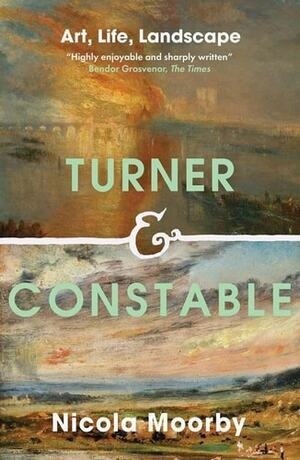
Finished reading: Turner and Constable: Art, Life, Landscape by Nicola Moorby. A wonderful book, especially fine on how each painter was moved by rivers: Turner the great Thames, Constable the humble Stour. Now I’m desperate to get back to London to see their paintings again with fresh eyes. 📚
And here is another short film, shot two years later, featuring Dorothy L. Sayers and the cast of her wonderful play The Zeal of Thy House — take a look at the wings on those angels. (At the end there is footage from her far less successful play The Devil to Play.) I don’t know that there is any other film of Sayers and Eliot from that era.
Here is an amateur film from 1935, shot at Canterbury Cathedral, featuring T. S. Eliot and some of the cast of Murder in the Cathedral (including Robert Speight, who played Becket — and then later voiced Jesus in the original production of Sayers’s The Man Born to Be King).