Rise & Grind goes live to the software supply chain.
Andrew Nesbitt
• Andrew Nesbitt
Good Morning, Your Toaster Is Compromised
Andrew Nesbitt
• Andrew Nesbitt
Rise & Grind goes live to the software supply chain.

Construction Physics
• Brian Potter
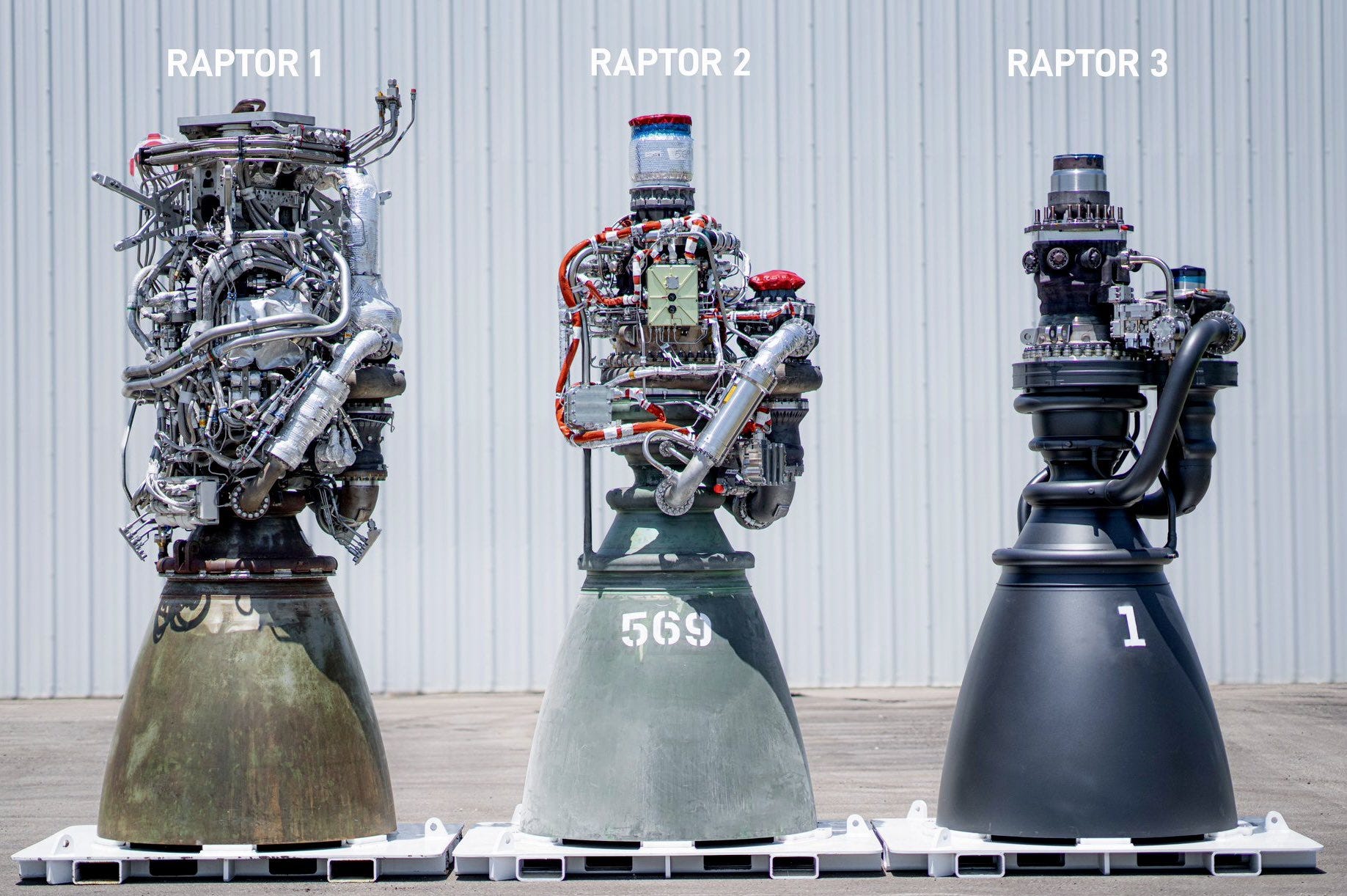
If you’re reading this, there’s a very good chance you’ve seen this famous image of three iterations of SpaceX’s Raptor rocket engine.

The Silicon Underground
• Dave Farquhar

Computer Reset was a large used computer store and warehouse in northeast Dallas whose heyday was in the 1980s and 1990s, but it remained a go-to source for vintage and retro computer parts into the 2010s. Its fame grew after
The post Computer Reset, Dallas appeared first on The Silicon Underground.

Pluralistic: Daily links from Cory Doctorow
• Cory Doctorow

lcamtuf’s thing
• lcamtuf

I am alone now.
Release: datasette 1.0a40
Same security fix as 0.65.5, plus some neat new features and bug fixes:
datasette.client.get() method.Release: datasette 0.65.5
Security fix for an issue where a trailing newline in a requested table name could bypass table permissions and expose private rows, reported by dpfkdlemtp in GHSA-h547-rmjf-5m2m.

Marcus on AI
• Gary Marcus
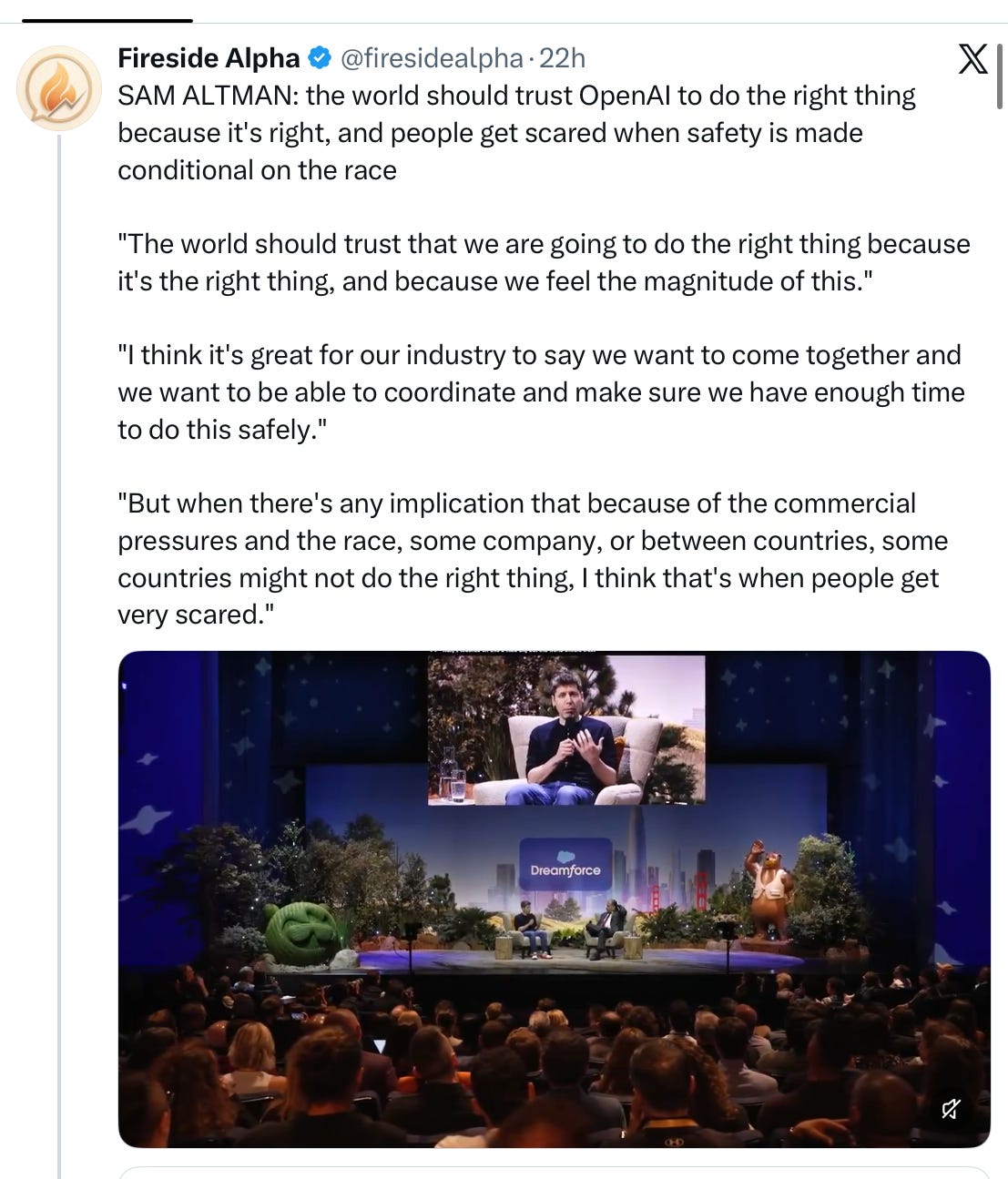
Here’s who we should be listening to instead

Micah Lee
• Micah Lee
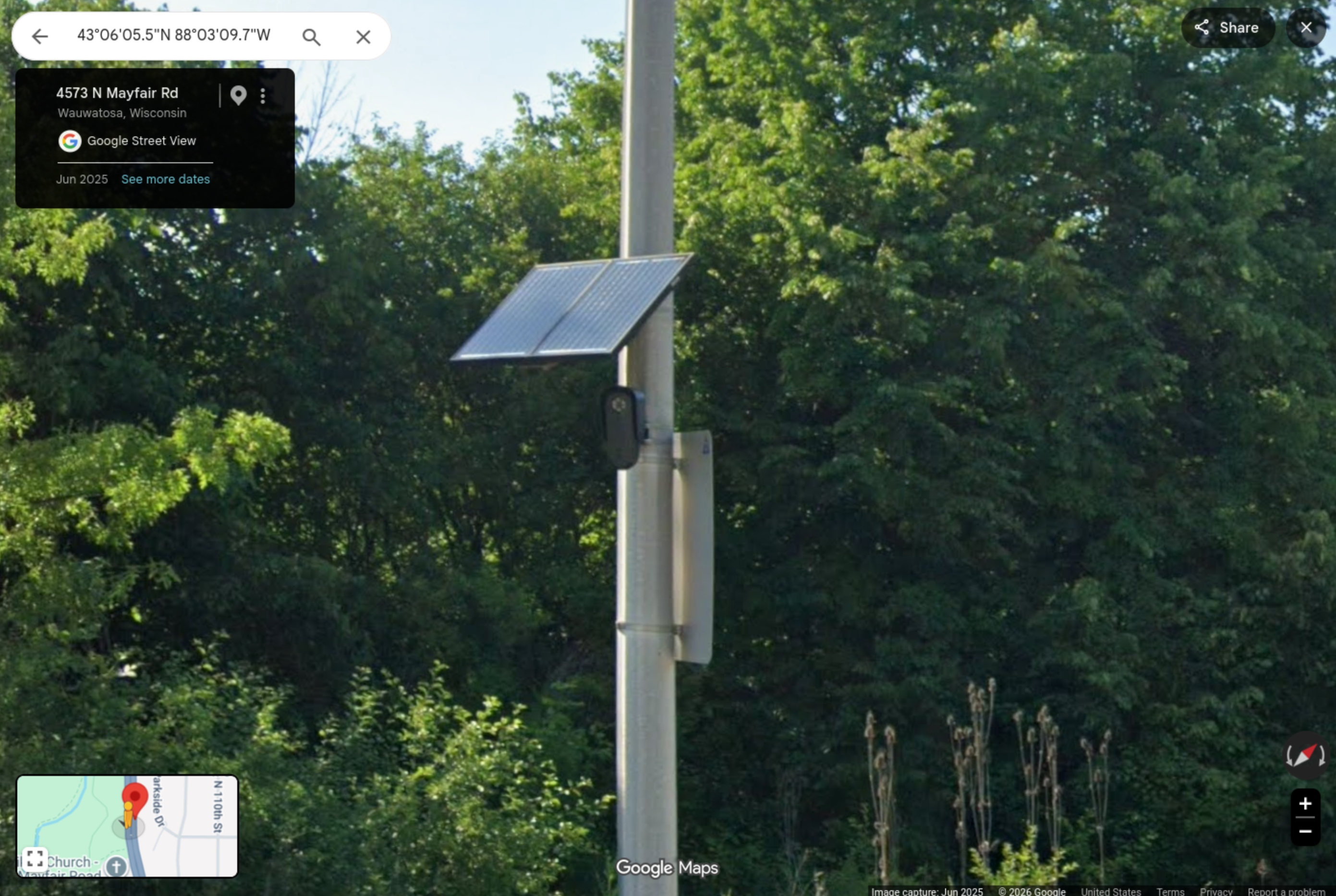
This morning, DDoSecrets published an exciting new dataset: Filesystem images of the partitions from an in-use Flock ALPR camera. 404 Media and Wired published a joint investigation into it. I downloaded the dataset and am now thoroughly nerd-sniped.
Hackers from a collective called stegan0gram collected the data. “
Krebs on Security
• BrianKrebs
The consumer data broker Radaris.com has long had a reputation for ignoring requests to remove personal information from its vast empire of people-search services online. That reputation caught up with the company recently in a lawsuit alleging Radaris violated a New Jersey privacy law that provides for hefty fines against data brokers that publish personal information on state law enforcement officials. In the face of repeated stonewalling and prevarication by attorneys for Radaris, the judge in the case ordered that radaris.com and more than a dozen other data broker domains be transferred to the plaintiffs.
We should not treat models as though they have feelings, preferences, rights, or any entitlement to our welfare. Consciousness is the foundation of our ethical, legal, and political systems. To invite another entity to share any flavor of these rights isn’t justified by the evidence and will make the AI containment and alignment challenge even harder.
— Mustafa Suleyman, A warning about ‘model welfare’
Tags: ai-ethics, generative-ai, ai, microsoft, llms

John D. Cook
• John
I’ve written three posts on cosine similarity lately. The first looked at interpreting cosine similarity. The second looked at an approximation related to the first. The third looked at how ranking according to cosine similarity works better than cosine similarity itself. Normalized word vectors are points on a high dimensional sphere, and geometry in high […]
The post Converting between cosine similarity and concentration ratio first appeared on John D. Cook.
John D. Cook
• John
Yesterday I wrote about the canonical example of how vector embeddings of words add: “king” − “man” + “woman” ≈ “queen” This should be interpreted as saying that the word vector for king, minus the word vector for man, plus the word vector for woman, is in some sense close to the word vector for queen. This post will […]
The post Coffee + milk ≠ latte first appeared on John D. Cook.
The Old New Thing
• Raymond Chen
It used to start at 1, but that was the old system.
The post Why do Microsoft job levels start in the high 50’s instead of starting at a sane number like 1? appeared first on The Old New Thing.
John D. Cook
• John
The product of four consecutive Fibonacci numbers equals the product of two consecutive integers. For example, 3 × 5 × 8 × 13 = 39 × 40. I ran across this theorem in a note [1] that says “The product of any four consecutive Fibonacci numbers is twice a triangular number.” Since triangular numbers have […]
The post Fibonacci product first appeared on John D. Cook.
Terence Eden’s Blog
• Terence Eden
Each new post on this blog now has a Digital Object Identifier. This post looks at the how and the why of getting one, whether it is useful, and any issues you might experience if you go down this path. Table of ContentsBackgroundGetting a DOI the easy wayLet's Go Rogue!Automatic Submission of New ContentManual Submission of Old ContentGetting the DOIGenerating your own DOIMaking the DOI…
The Silicon Underground
• Dave Farquhar

On September 16, 1975, the 6502 CPU made its debut. It was a simple, inexpensive processor designed and priced for everyone. The 6502 cost $25 when Intel’s closest equivalent cost $370. Unsurprisingly, its low price made it an immediate success
The post The 6502 CPU’s odd debut appeared first on The Silicon Underground.