
As China Pushes to Expand in Asia, Trump Focuses on Iran (Gift Article) (nytimes.com)
Sherrod Brown Seeks Senate Comeback in Ohio, Hoping His Populist Pitch Still Resonates (Gift Article) (nytimes.com)
The Iranian YouTube Show Posing Questions Few Dare Ask (Gift Article) (nytimes.com)
The 2026 Salzburg Festival Navigates Uncertain Times Without an Artistic Director (Gift Article) (nytimes.com)
Worker Pay Isn’t Keeping Up With Inflation Once Again (Gift Article) (nytimes.com)
Sports Team Sale Prices Keep Hitting New Highs (Gift Article) (nytimes.com)
How Supreme Court Oral Arguments Have Transformed Since Covid-Era Precautions (Gift Article) (nytimes.com)
Professor’s Death Leaves Behind Hard Questions for Cambridge on Race and Hiring (Gift Article) (nytimes.com)
Her childhood photo. Thousands of explicit images. One woman’s nightmare. (wapo.st)
What Is Happening at the Border in Big Bend National Park? (Gift Article) (nytimes.com)
A.O.C. Said ‘Woke 1.0 Was Crazy.’ But What Is It? (Gift Article) (nytimes.com)

Scientists solve the mystery of a brain “switch” that can trigger weight loss in opposite ways
Scientists have uncovered why two seemingly opposite ways of targeting the same brain receptor can both promote weight loss. In mice, activating the GIP receptor in the brainstem reduced appetite, while blocking it in the hypothalamus removed a kind of “brake” on fullness signals. The discovery helps explain why very different obesity drugs can achieve similar results and suggests that carefully combining GIP-targeting treatments with GLP-1 drugs like those related to Wegovy and Ozempic could produce stronger effects.

Greed, 1560 #pieterbruegel #bruegel
At Least 38 Dead as 7.7-Magnitude Earthquake Rocks Indonesia (Gift Article) (nytimes.com)
How Cyclospora Evaded the U.S. Food Safety System to Sicken Thousands (Gift Article) (nytimes.com)
Top Trump official asked for more aircraft to fight a small fire near his Idaho ranch (wapo.st)
Prosecutors Examined Firm With Tie to Judge in Trump Hush Money Trial (Gift Article) (nytimes.com)
Paul Krugman
• Paul Krugman
Vanessa Williamson on Taxes and Democracy
What tax history teaches us about this dire moment

404 Media
• Becky Ferreira
Memories Mysteriously Survive After Brain Shutdown, And Scientists Don’t Know Why
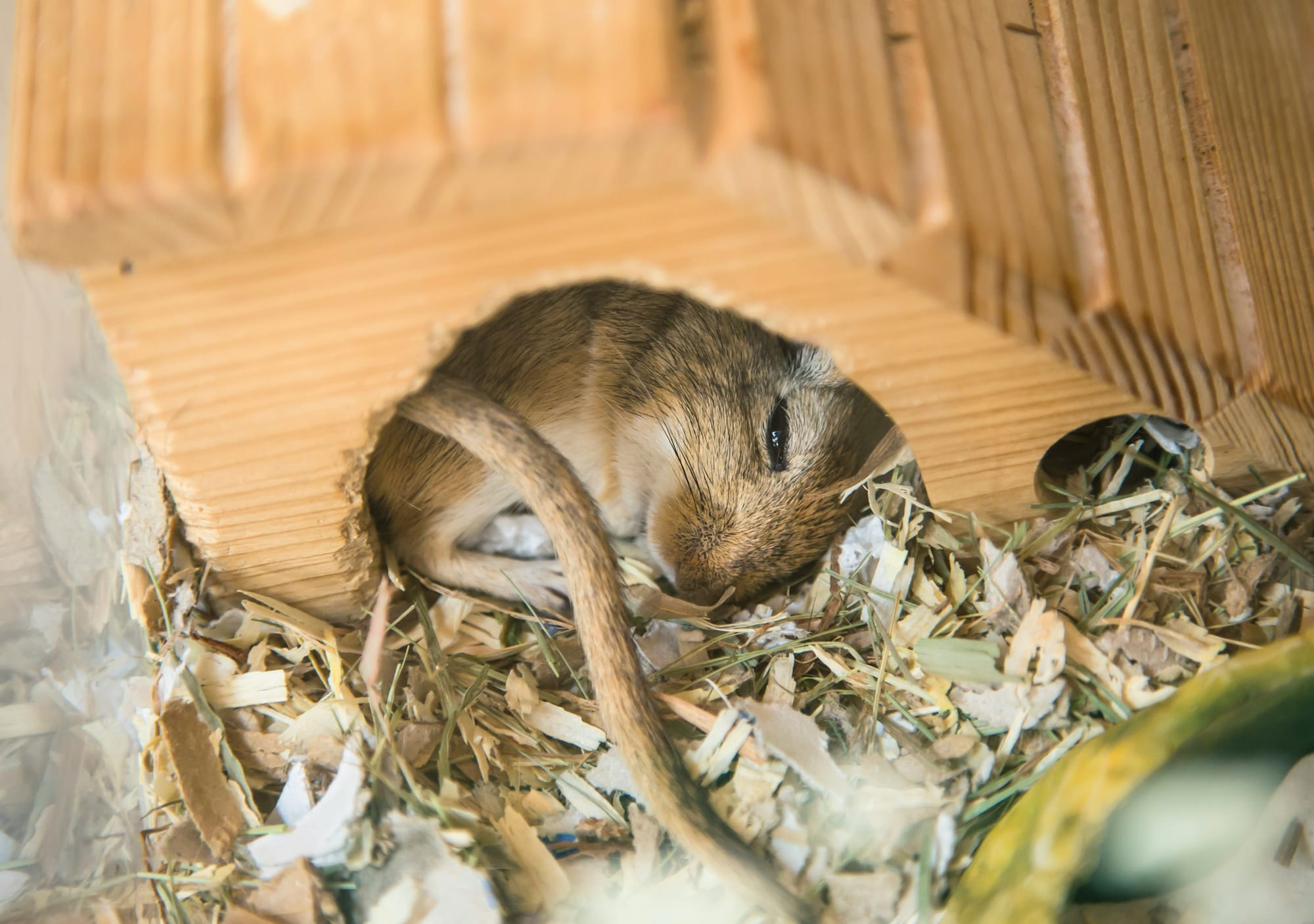
Mice can access memories after hibernation, a state that largely shuts their brains off and reduces synapses, suggesting that memories are stored across shifting neural systems.