
A reminder that I am no longer here, but am instead here. The new RSS feed is here. If you're still reading this for some reason other than being on Dreamwidth, please update your feed. comments
sqlite-utils 4.0rc3
Release: sqlite-utils 4.0rc3
I hoped to release sqlite-utils 4.0 stable this weekend, but as I worked through the backlog of issues and PRs with a combination of Claude Fable 5 and GPT-5.5 the changelog since rc2 kept getting bigger.
The biggest new feature is support for introspecting and creating compound foreign keys - a feature that involves a subtle breaking change to table.foreign_keys and hence needed to land for the 4.0 stable release.
sqlite-utils also now follows SQLite's convention for case insensitive column names, which turned out to touch a bunch of different places at once.
Tags: projects, sqlite, sqlite-utils, annotated-release-notes, gpt, claude-mythos-fable
sqlite-utils 4.0rc2
Amazon Basics, but for intellectual property.

Amazon has been accused several times for ripping off merchants on its platform. And every single time they denied any wrongdoing. A merchant, or anyone really, can create a product (or source it from China), then resell it on amazon. Amazon is the service provider, and ho...
Making a Shuffle Button
I made some updates to my notes blog, including a change to how my “Shuffle” feature worked.
Figured I’d blog about it.
Shuffle? On a Blog?
At the time of this writing, I have 974 “notes” that I’ve published.
For fun, I have a “shuffle” button that digs up a random note fro...

C2PA only works if everything is signed
The European Union AI Act is Europe’s attempt to comprehensively regulate AI usage. A big part of that is the requirement that AI-generated content be identifiable: either tagged with a watermark or with what the Act calls “digitally signed metadata”1. Since all this becomes...
Stephan's Quintet
North is right (mirrored). 0.53"/pixel [17'x12' field]. FWHM=3.7"
Ok, this is a crazy one. Five tightly spaced galaxies with visible tidal interactions:
However, looking at redshift data, the blue spiral on the left is ten times closer than all the other objects:...

Martin Alderson
• Martin Alderson
GLM 5.2 and the coming AI margin collapse (part 1)
GLM 5.2 is the first open weights model I'd call a genuine competitor to Opus and GPT for agentic work - at ~15-20% of the price. Part one of why AI inference margins are about to collapse.

lcamtuf’s thing
• lcamtuf
Cursed circuits #5: capacitance multiplier
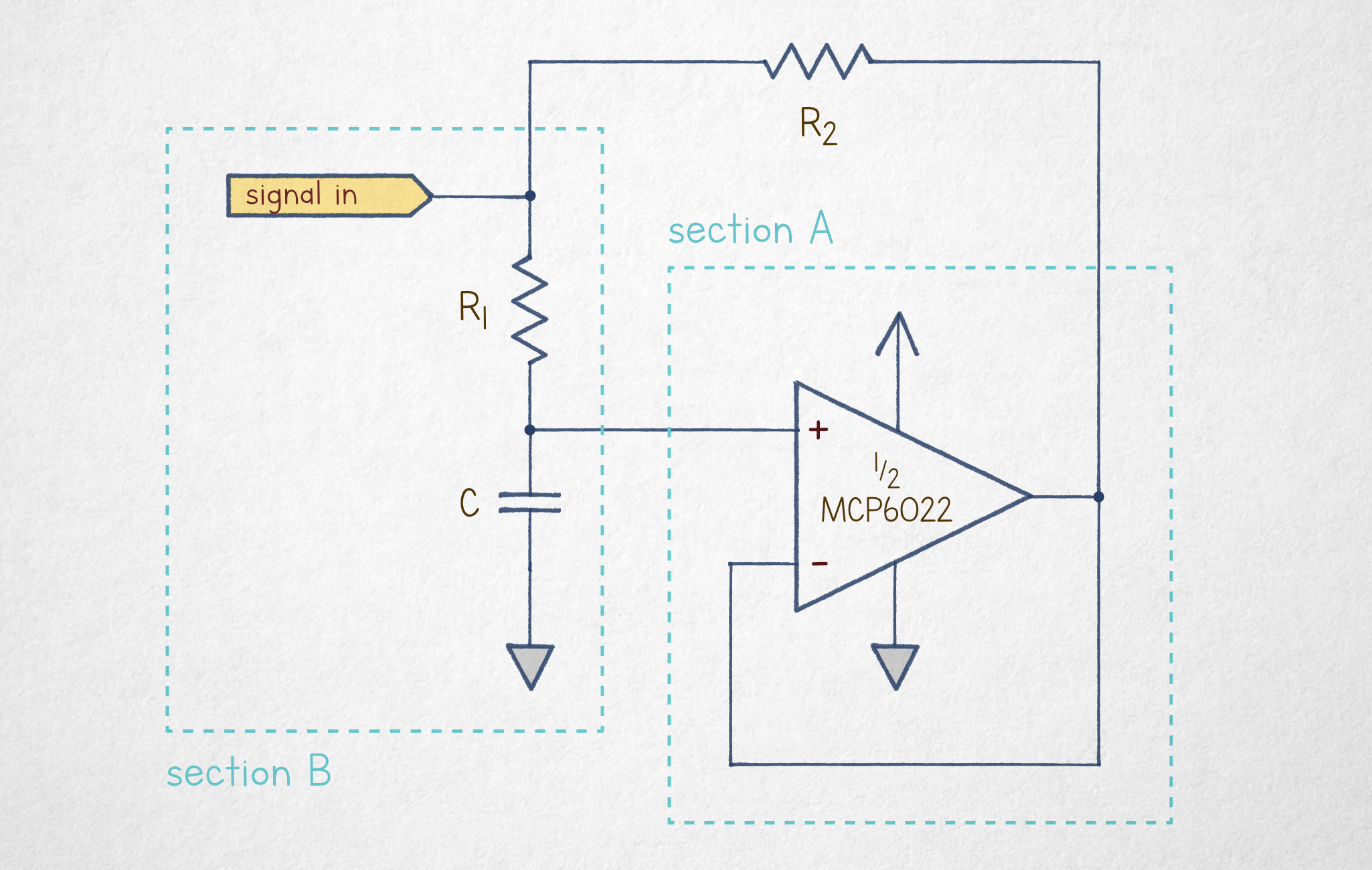
Capacitor vendors don't want you to know this! Save money on capacitors by spending more on other components
lcamtuf’s thing
• lcamtuf
Cursed circuits #5: capacitance multiplier
Capacitor vendors don't want you to know this! Save money on capacitors by spending more on other components
sqlite-utils 4.0rc2, mostly written by Claude Fable (for about $149.25)
I wrote about the sqlite-utils 4.0rc1 release a couple of weeks ago. Since we only have Claude Fable on our Max subscriptions for a few more days, I decided to see if it could help me get to a 4.0 stable release that I felt truly comfortable about, since I try to keep to Sem...
Travel notes: PLDI Boulder
I had another excellent PLDI this
past June. It was my fourth1. I continued to meet new people and learn
new things!
Overall: I got to meet a lot of new people, which was exciting. I had some good
chats about research. I asked a question at a talk! I got to show Aaron and
J...
Building a World Map with only 500 bytes
Building a World Map with only 500 bytes
Iwo Kadziela (assisted by Codex) figured out a way to generate a credible ASCII world map using 445 bytes of data: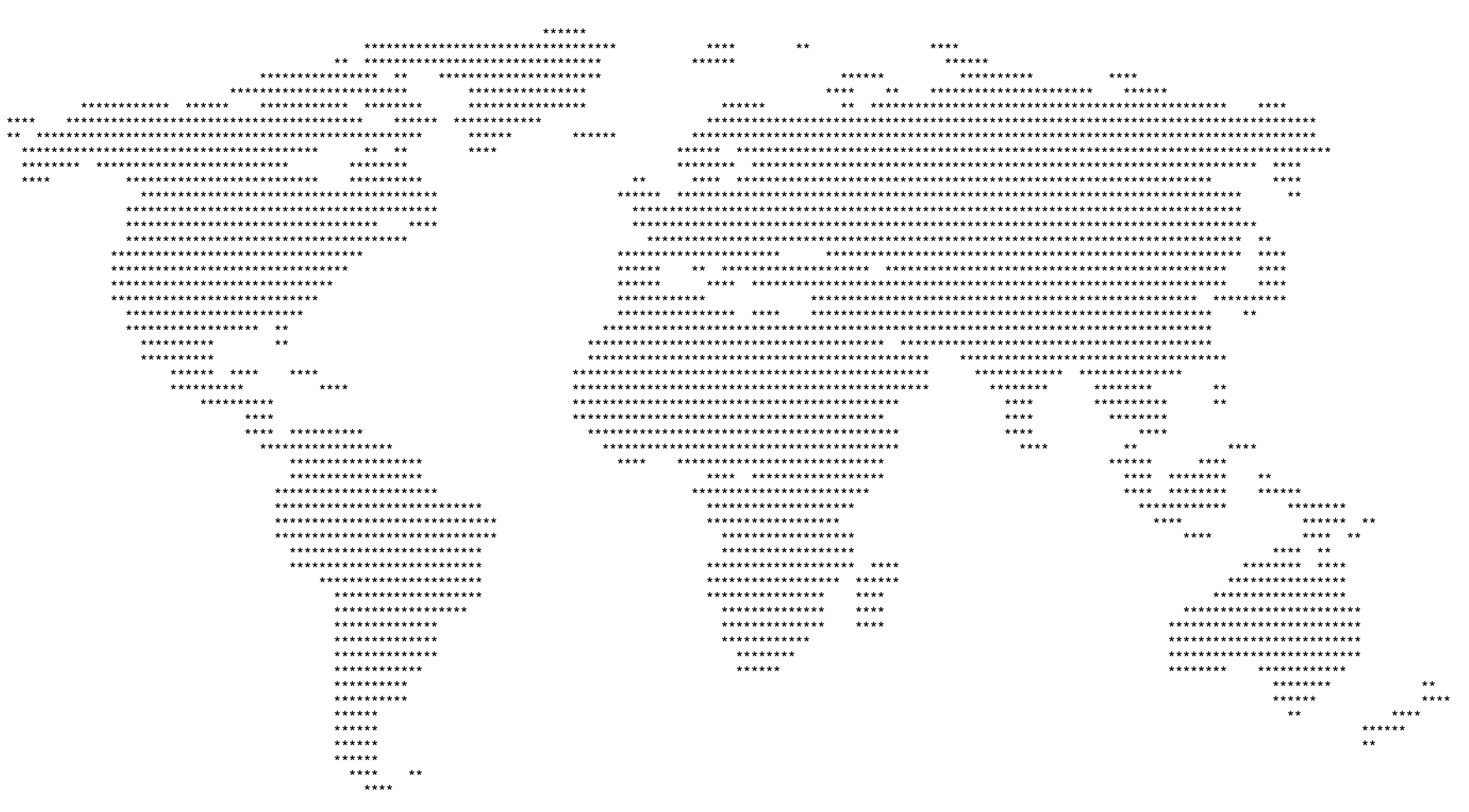
The key trick is to use deflate compression, which is then wired together using this neat snippet of JavaScript. I didn't know you could use fetch() with data: URIs like this:
fetch('data:;base64,1ZpLsgIxCEXnrM...==').then(
  r => r.body.pipeThrough(new DecompressionStream('deflate-raw'))
).then(
  s => new Response(s).text()
).then(
  t => b.innerHTML = '<pre style=font-size:.65vw>' + t
)
Via Hacker News
Tags: ascii-art, javascript
Better Models: Worse Tools
Better Models: Worse Tools
Armin reports on a weird problem he ran into while hacking on Pi:
The short version is that newer Claude models sometimes call Pi’s edit tool with extra, invented fields in the nested edits[] array. And not Haiku or some small model: Opus 4.8. The...
Andrew Nesbitt
• Andrew Nesbitt
This Week in Package Management: 4 July 2026
Releases, advisories, and articles from across the package management world

Construction Physics
• Brian Potter
Reading List 07/04/26

Households without homeowners insurance, crackdowns on AI chip smuggling, Japan’s two electrical frequencies, Meta’s AI compute business, and more.

Terence Eden’s Blog
• @edent
Combined 1D and 2D Barcodes
This was a little idea gnawing at the back of my brain. The humble barcode has been in use since the 1970s. In the next few years it will likely be replaced with a 2D QR Code. I couldn't find anyone who'd made a QR code with an embedded UPC - so I decided to make one. If you move your phone close to the code (so it can't see the squares in the corners) it should read the number in the 1D…

John D. Cook
• John
Does additional data always reduce posterior variance?
A discussion over lunch today brought up the fact that additional data does not always decrease the size of a confidence interval. This post will look at this from a Bayesian perspective. In general, new information reduces your uncertainty regarding whatever you’re estimating. The posterior distribution becomes more concentrated as more data are collected. That’s […]
The post Does additional data always reduce posterior variance? first appeared on John D. Cook.
Armin Ronacher's Thoughts and Writings
• Armin Ronacher
Better Models: Worse Tools
A very strange Pi issue
sent me down a rabbit hole over the last two days. The short version is that
newer Claude models sometimes call Pi’s edit tool with extra, invented fields in
the nested edits[] array. And not Haiku or some small model: Opus 4.8. The
edit itself is ...
Open Source AI Gap Map
Open Source AI Gap Map
Current AI is "a global partnership building a public option for AI", founded as a non-profit at the AI Action Summit in Paris in February 2025 and backed by serious capital ($400m already committed).
They launched their Gap Map a couple of days ago - ...