Sign up

IT Notes
Text • Stefano Marinelli

FediMeteo, timezones, and the art of not breaking what already works

I have already written about how FediMeteo was born, and about how HAProxy helps reduce the number of requests that reach snac. Seen from the outside, FediMeteo almost seems still. There is a static homepage, regenerated every hour. There are the city pages, with their fore...

Pluralistic: Daily links from Cory Doctorow
Text • Cory Doctorow

Pluralistic: No honor among (ad-tech) thieves (25 May 2026)

Today's links No honor among (ad-tech) thieves: Including "and" and "the." Hey look at this: Delights to delectate. Object permanence: Budweiser nunchuks; GOP vote-suppressor voted illegally; Airbnb enshittifies; Oculus enshittifies; Nintendo copyfrauds its fans; Meritocracy ...

Simon Willison's Weblog Supports Webmention
Text

datasette 1.0a30

Release: datasette 1.0a30

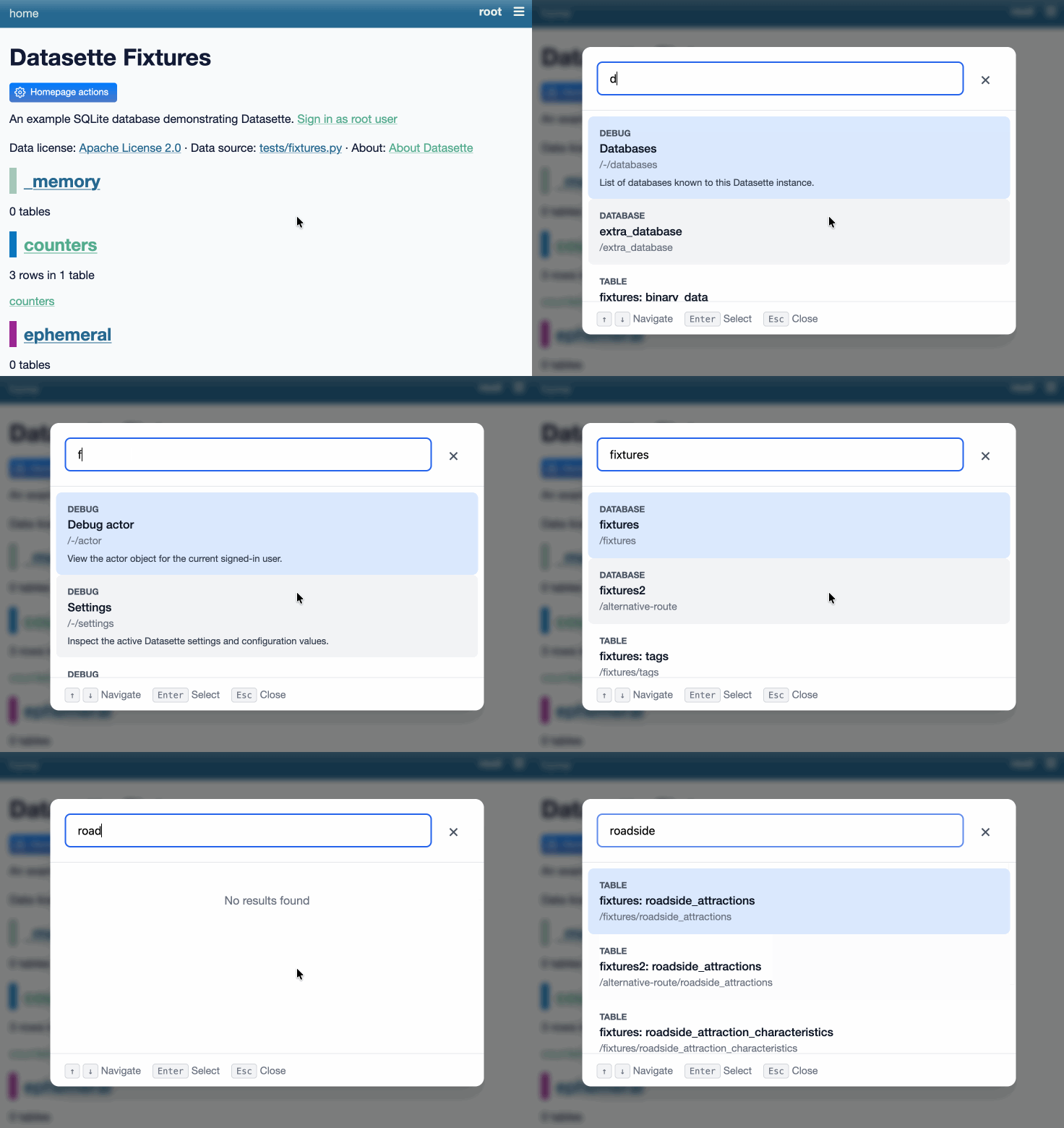
The big new feature in this alpha is a new customizable "Jump to..." menu, described in detail in The extensible "Jump to" menu in Datasette 1.0a30 on the Datasette blog. You can try it out by hitting / on latest.datasette.io - it looks like this:

Animated demo - the Jump to menu appears, and as the user types it filters to specific databases and tables and debug options

The new jump_items_sql() plugin hook allows plugins to add their own items to the set that's searched by the plugin.

Tags: projects, datasette, annotated-release-notes

Simon Willison's Weblog Supports Webmention
Text

datasette-agent 0.1a4

Release: datasette-agent 0.1a4

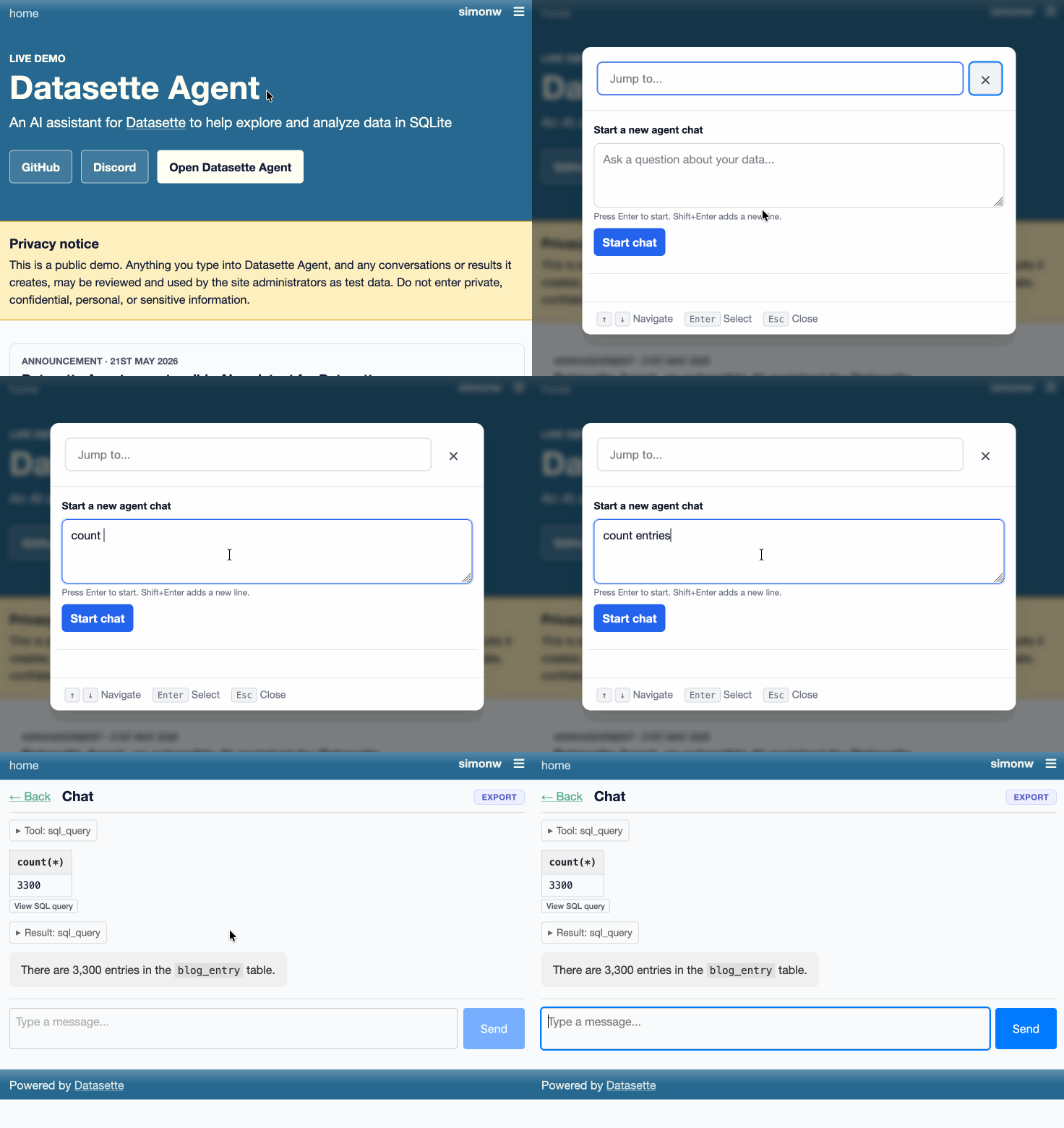
Taking advantage of the new makeJumpSections() JavaScript plugin hook added in Datasette 1.0a30, datasette-agent now presents this "Start a new agent chat" interface as part of the Jump to menu, any time you hit /:

Animated demo - this time the demo starts on agent.datasette.io and when the menu opens it has a new Start chat box below the search box - entering 'count entries' and hitting the button causes it to start an agent conversation that counts the number of entries and returns 3300.

You can try this out by signing into agent.datasette.io using your GitHub account.

Tags: datasette, datasette-agent

Simon Willison's Weblog Supports Webmention
Text

datasette-fixtures 0.1a0

Release: datasette-fixtures 0.1a0 One of the smaller features in Datasette 1.0a30 is this: New documented datasette.fixtures.populate_fixture_database(conn) helper for creating the fixture database tables used by Datasette's own tests, intended for plugin test suite...

Simon Willison's Weblog Supports Webmention
Text

Mad House — Usborne Creepy Computer Games

Tool: Mad House — Usborne Creepy Computer Games

Via Hacker News I learned that UK publisher Usborne published free PDFs of their 1980s Computer Books, some of which I remember working through on my Commodore 64 as a child.

These were so great! Beautifully illustrated books with fun projects made up of code you could type into your own machine.

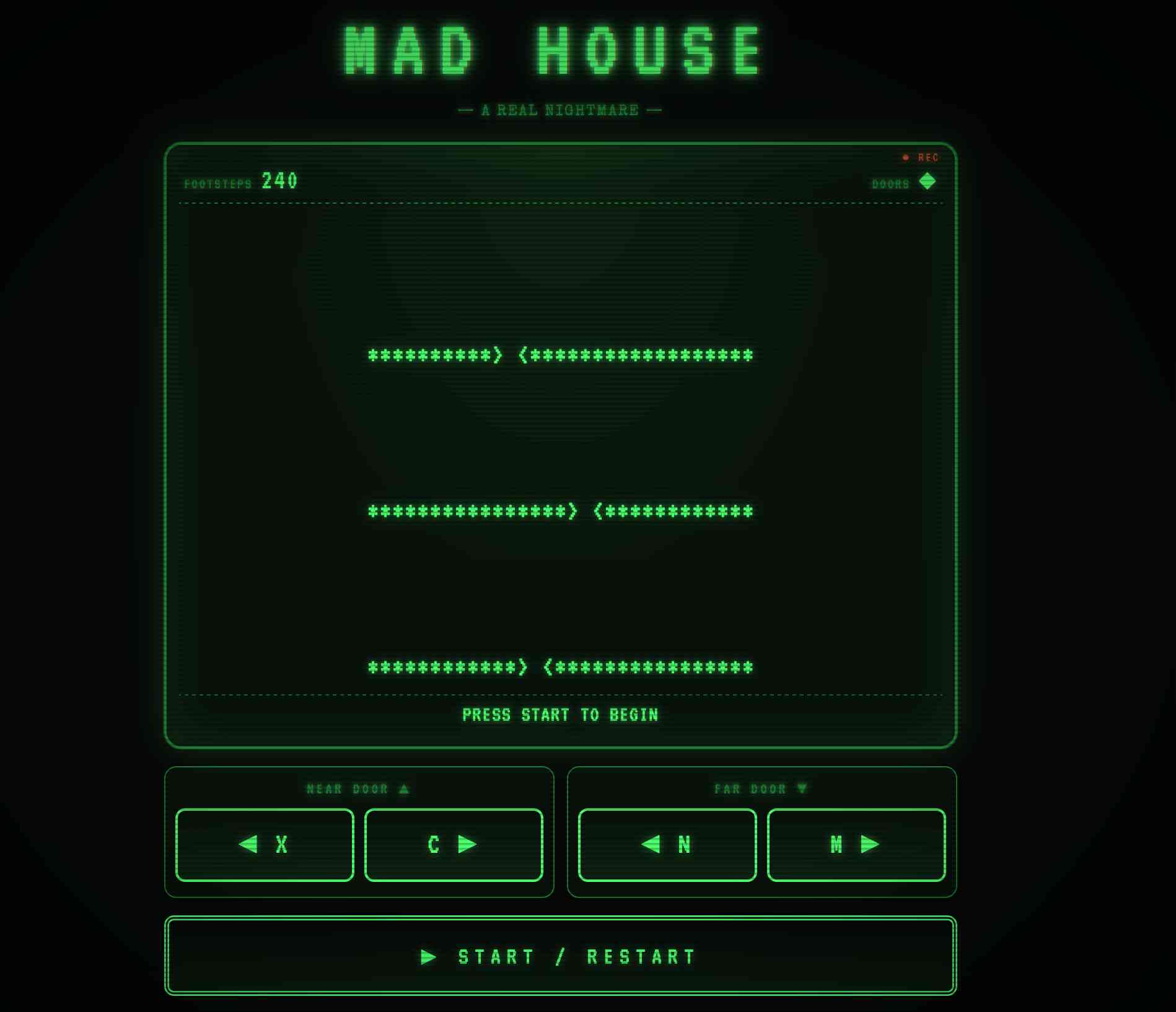
I remember playing "Mad House" typed in from the 1983 book "Creepy Computer Games", so I fed that PDF into Claude and had it build an interactive version of that game in JavaScript and HTML:

Build a vanilla JS artifact that exactly recreates the game Mad House from this book, make sure it's mobile friendly and has a suitable retro aesthetic

Credit the book title and link to https://usborne.com/us/books/computer-and-coding-books

Screenshot of a retro green-on-black terminal-style game interface titled "MAD HOUSE — A REAL NIGHTMARE —" with a REC indicator, FOOTSTEPS 240, DOORS counter, three rows of ASCII corridors made of asterisks with ">" and "<" door markers, "PRESS START TO BEGIN" text, NEAR DOOR controls (X and C) and FAR DOOR controls (N and M), and a "▶ START / RESTART" button at the bottom.

Tags: computer-history, games, tools

Simon Willison's Weblog Supports Webmention
Text

Quoting Armin Ronacher

The most frustrating failure mode right now is that people submit issues that are not in their own voice. They contain an observed problem somewhere, but it has been thrown into a clanker and the clanker reworded it and made a huge mess of it. Typically, it was prompted so ...

Matt Godbolt’s blog
Text

Walking the dog with Claude

An AI interview about explaining hard things simply, conducted on a dog walk

Works on My Machine
Text • Scott Werner

The Wizard With the Very Defensible Pond

The Wizard With the Very Defensible Pond

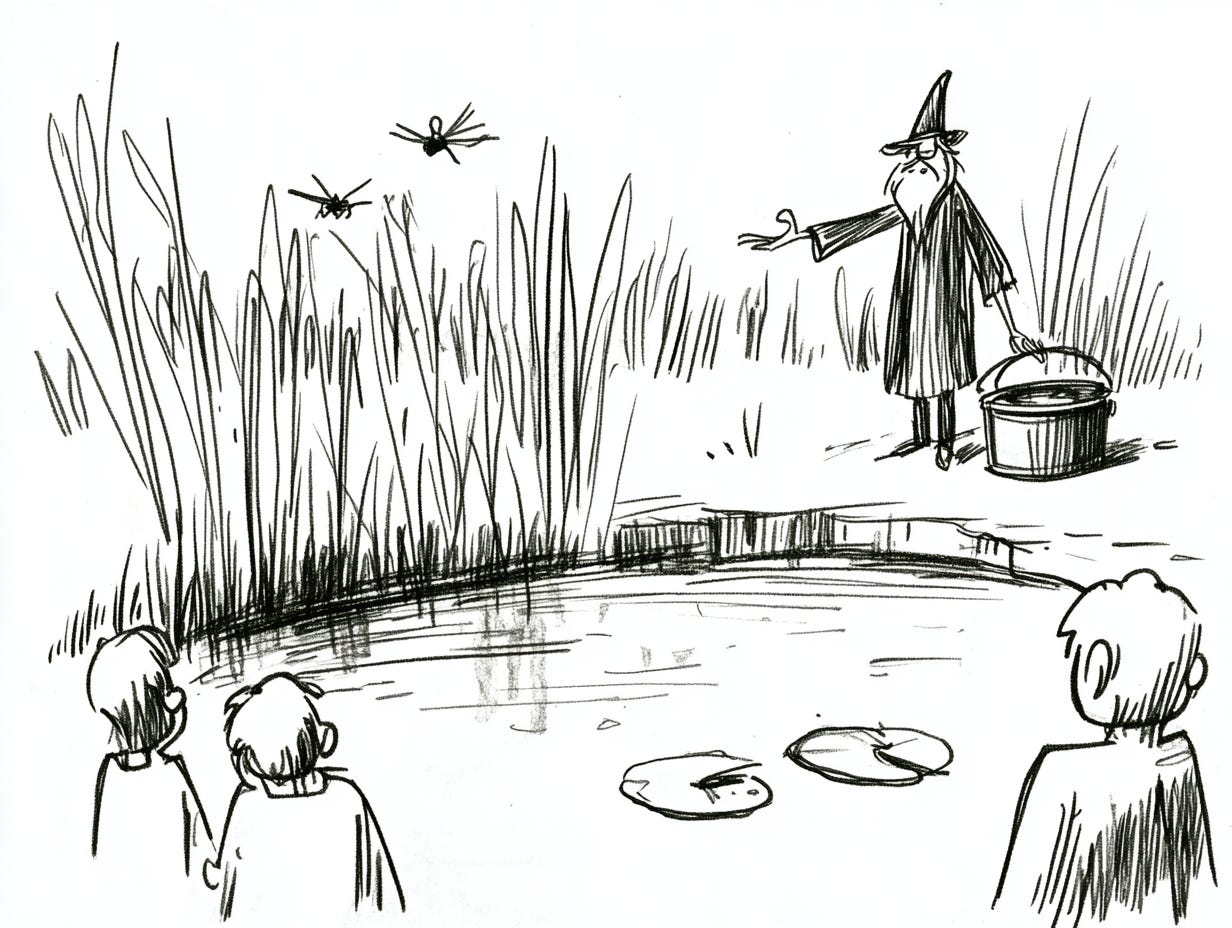
There was once a wizard who lived beside a pond.

Michael Stapelbergs Website
Text

How my minimal, memory-safe Go rsync steers clear of vulnerabilities

Back in January 2025, multiple different security researchers published a total of 6 security vulnerabilities in rsync, some of which allow arbitrary code execution and file leaks, so naturally I was wondering whether/how my gokrazy/rsync implementation was affected. Did imp...

Andrew Nesbitt Valid
Text • Andrew Nesbitt

Signing is for the bad days

TUF, in-toto, and Sigstore only look pointless while nothing is on fire

the singularity is nearer
Text

The Eternal Sloptember

I’m calling it now, the adoption of AI agents into software development will be one of the most costly mistakes in the field’s history. Agents cannot program, and it’s taking longer and longer to realize that they can’t. They are a highly sophisticated statistical model designed to mimic the distribution of programming. The output is broken, but in a way that’s getting harder and harder to detect. Which is exactly what you’d expect from an increasingly accurate statistical model.

Troy Hunt Supports Webmention
Text • Troy Hunt

Weekly Update 505

Weekly Update 505

Well, that didn't last long! Recording this on Saturday morning my time, I observed ShinyHunters having gone quiet since the massive haul that would have been the Instructure ransom. It was two weeks almost to the hour since I'd first heard rumour of payment being made,

Armin Ronacher's Thoughts and Writings
Text • Armin Ronacher

Building Pi With Pi

Pi is now part of Earendil, but in the important sense it is still Mario’s project. He has been living with its issue tracker longer than I have, and he has been exposed to the weirdness of the new form of agent traffic in Open Source projects for longer too. This post is ...

Susam Pal
Text

Childhood Computing

I recently stumbled upon a nice blog post titled Childhood Computing. It made me think about my own childhood computing experience. I am much older than the author of the aforementioned post, but like them, I too love computers. I have for most of my life. ...

Dr Paris Buttfield-Addison
Text

Games Are the Art Form of Our Time

Submissions for Australia’s next National Cultural Policy closed in May 2026. I wrote one, on behalf of Tasmanian Game Makers, because I want games taken seriously as what they are: the art form most of us actually play.

Read the full submission on Tas Game Makers

Here are the highlights.

Games are the art form of our time. In 2025, 82% of Australians played them, the average player was 35, and women now make up just over half of all players. On the government’s own data, digital games development has been the fastest-growing of all cultural and creative activities in the country over the past decade. Games are also one of our most export-heavy creative industries: 93% of the Australian sector’s revenue comes from overseas.

Simon Willison's Weblog Supports Webmention
Text

On the <dl>

On the <dl>

I learned a few new-to-me things about the <dl> element from this article by Ben Meyer:
  1. A <dt> can be followed by multiple <dd>
  2. You can optionally group the <dt> and <dd> elements in a <div> for styling - but only a <div>.
  3. You can label them using ARIA.
  4. They've been called "description lists", not "definition lists", since an HTML5 draft in 2008.

So this is valid:

<h2 id="credits">Credits</h2>
<dl aria-labelledby="credits">
  <div>
    <dt>Author</dt>
    <dd>Jeffrey Zeldman</dd>
    <dd>Ethan Marcotte</dd>
  </div>
</dl>

Here's a useful note from Adrian Roselli on screen reader support for description lists.

Via Hacker News

Tags: css, html, screen-readers, web-standards

Ken Shirriff's blog
Text Ken Shirriff

Reverse engineering circuitry in a Spacelab computer from 1980

Spacelab was a reusable laboratory that could be carried in the cargo bay of the Space Shuttle, providing lab space for astronauts and experiments. Spacelab was controlled by a French-built minicomputer, called the Mitra 125 MS. Unlike modern computers, this computer didn't ...

Construction Physics
Text • Brian Potter

Reading List 05/23/26

Reading List 05/23/26

Squatter removal services, Apple finding uses for defective chips, process heat use in California, the brewing Colorado River crisis, and more.

Andrew Nesbitt Valid
Text • Andrew Nesbitt

This Week in Package Management: 23 May 2026

Releases, advisories, and articles from across the package management world