

Fortune cookie. Unforeseen circumstances will pave the way for transformation.

Fortune cookie. Unforeseen circumstances will pave the way for transformation.
Just noticed (and fixed) that I had accidentally put May 2027 in some of my release notes. The opposite of writing last year’s date on checks. 🤪
Westenberg.
• JA Westenberg
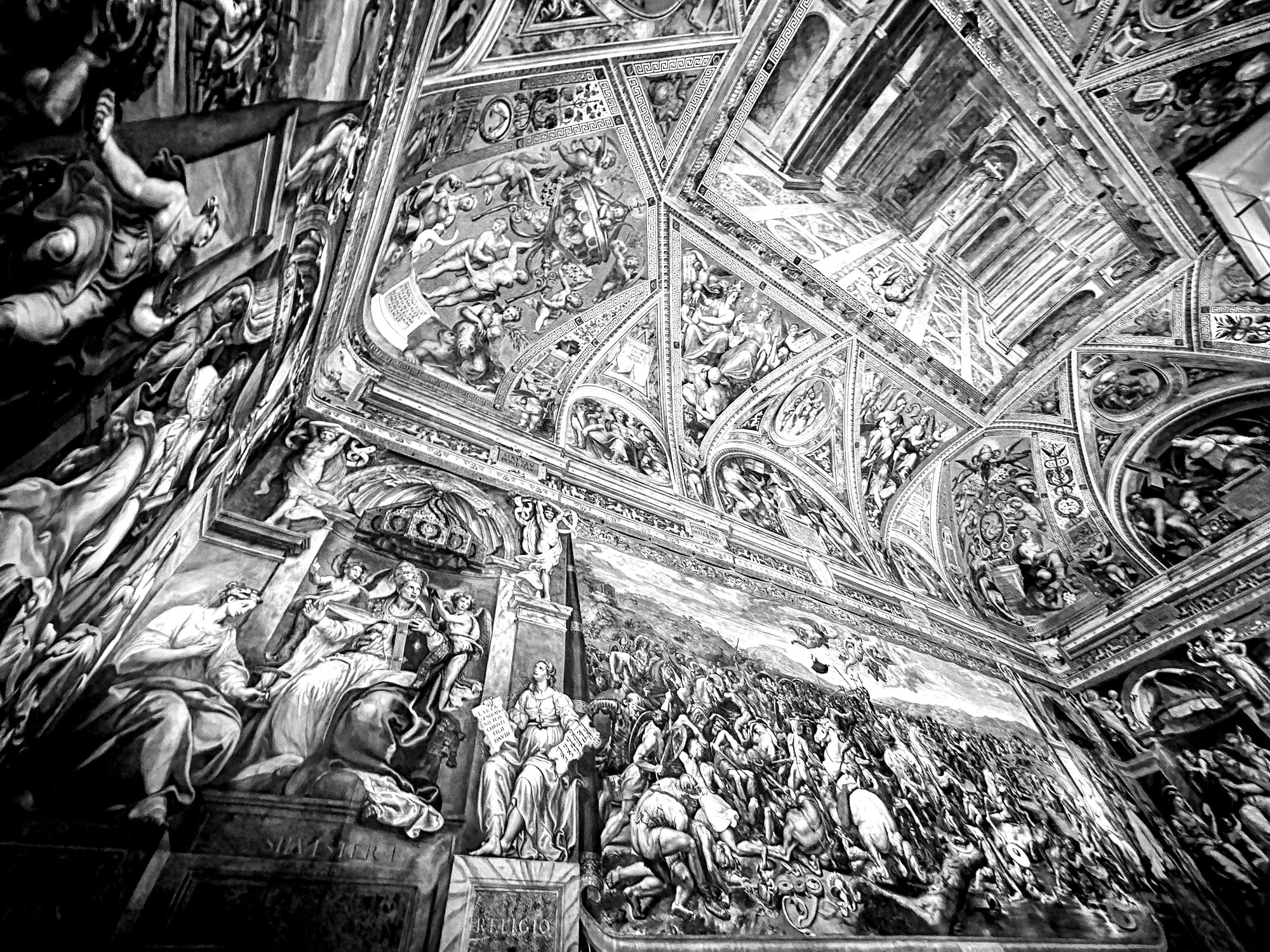
In 1713, Johann Sebastian Bach sat down at his desk in Weimar and began copying out concertos by Antonio Vivaldi. He transcribed them note for note, in his own hand, working through at least nine of the L'estro armonico concertos like a medical student dissecting a cadaver. The

TWiT.tv
• Jonathan Bennett, Ken McDonald, and Jeff Massie
Jon Stewart is usually pretty good, but I think he got it wrong when he says the AI companies are stealing journalists' knowledge. Imho they don't create knowledge, they report it. The knowledge isn't theirs to own, and that is for the times there is actually any new stuff. They stick to a few main stories, and still insist that the upcoming election is about the economy. They talk about the $1.7 billion slush fund, but aren't reporting every day in every story how much money we've given ICE. That big funding is going to the concentration camps they're building, the people we hear so little of. This is a government that shot two people in Minnesota, on camera, and shrugged it off. We let that go too.

Defector
• Diana Moskovitz

The new Siri will offer auto-deleting transcripts:
According to Bloomberg’s Mark Gurman, the more chatbot-like Siri set to debut in iOS 27 will include the option to autodelete chat histories. Users will be able to save conversations for 30 days, one year, or forever.
It’s a trade-off. A short history will make for a slightly worse product. I feel like Apple is still catching up to where the tech was two years ago.
Defector
• Patrick Redford

Thinking about John Gruber’s post about AI as a technology, not a product:
Does AI “threaten to disrupt the entire iPhone ecosystem”? It’s possible, but it doesn’t seem nearly as likely to me as Levy asserts. Changing the iPhone ecosystem? Sure — that’s already true. Obviating the iPhone ecosystem? I don’t see it.
To his later point about wireless networking, it’s true that wireless enabled a whole bunch of new mobile apps. But AI is not just a supporting technology. It’s inseparable from the new products that it enables. Makes sense to build new devices around AI assistants in particular.
Listed an item on Facebook Marketplace for the first time last week. May not do this again, it’s a lot to manage messages from dozens of people. Perhaps worse for something free because there’s no commitment, no follow-through. Kind of interesting view into Meta’s business, though.
A cooler, less toxic alternative to lead white, sold by Winsor & Newton as 'Chinese white' for watercolour from 1834.
The yellow earth used at Lascaux and Chauvet, still mined commercially at Roussillon in the south of France.
Europe's homegrown blue, the colour Caesar said the Britons stained themselves with, grown as a major crop from the twelfth century until cheaper Indian indigo destroyed the trade.
The premier yellow dye of medieval Europe, mixed with woad to produce the Lincoln green Robin Hood is traditionally said to have worn.
The pale blue of Josiah Wedgwood's 1775 jasperware, calibrated to make neoclassical white reliefs look like miniature Greek temples.
An ink made from boiled walnut husks, used by Renaissance draughtsmen for sepia-toned underdrawings and still beloved of artisanal stationers.
A hydrated chromium-oxide green, first made around 1838 and given a cheaper industrial process by Guignet in 1859, that gave the Impressionists a stable green with no arsenic in it.
A cool blue-black made by charring grapevines in sealed pots, recommended by Pliny and still produced today for traditional oil painting.
A triarylmethane dye named for the queen during her diamond-jubilee decade, used for ink, paper and the silk linings of imperial gifts.
A French commercial name for the mixed-pigment greens made from chrome yellow and Prussian blue, attested in French sources from at least the late 18th century and widely used in 19th-century decorative and industrial trades.

