Sign up

Jeff Geerling

Not verified No WebSub updates No webmention support Valid

Recent content on Jeff Geerling

Managing Editor
Jeff Geerling
Webmaster
Jeff Geerling
Generator
Hugo
Rights
Jeff Geerling
Public lists
davewiner/hackerNewsStars
Fetched

Jeff Geerling Valid
Text • Jeff Geerling

Rejoice, leap seconds are dead!

There will never be a leap second again. At least not for UTC.

CGPM Resolution 5

At the CGPM, they decided the last leap second we'll ever see for UTC, or Coordinated Universal Time, happened back at the end of 2016.

Of course they made that decision while I was out on vacation, so I'm just getting this video up now:

But what's the CGPM, why does this matter, and why am I excited about it?

Jeff Geerling Valid
Text • Jeff Geerling

Noctua Fan Swap on a Calnex Rb/GPS Frequency Reference

Since this will be the only source of this process on the Internet1, I figured I'd document a quick fan swap I did on a piece of test/reference equipment I'm running in my Atomic Clock Tower.

Calnex Rb/GPS Frequency Reference open on workbench

I took my Torx T10 screwdriver and popped off the top cover. The screws required some force to loosen, as they were all secured with Loctite.

The inside is simple and serviceable. There's a SpectraTime GRClok-1500, with an integrated timing-grade GPS module, and a stabilized 10 MHz output2.

Jeff Geerling Valid
Text • Jeff Geerling

Ubiquiti's $99 Vape Detector is actually pretty good

Since learning about the effects of high CO2 concentration on attention and cognitive performance—especially at levels much higher than 2000ppm—I've started monitoring CO2 and other air quality indicators in my house, at my studio, and even on the road.

Ubiquiti Vape Detector and Air Quality Monitor

I have a few other air quality monitors I'll be covering in the future, but today I wanted to focus on one I only heard about in the comments on a recent video tearing down a cheap no-name 'Air Quality Detector' from Amazon.

Jeff Geerling Valid
Text • Jeff Geerling

Upgrade your PHP installs immediately to protect against php2shell

This morning, two critical PHP Security Advisories were published:

If you're running PHP for any service, you need to upgrade immediately to 8.2.35, 8.3.36, 8.4.27, or 8.5.12. And if you use Remi's repos on RedHat-derivative Linux distros, you need to switch to official repos temporarily as Remi's on vacation and can't update his community repo. (Reminds me of xkcd 2347).

I'm glad I finished migrating this website from a PHP-based CMS to Hugo earlier this year—having a static website and a minimal commenting system saves on hosting costs and dramatically reduces attack surfaces. Especially in this era of AI tooling making exploit discovery easier.

Jeff Geerling Valid
Text • Jeff Geerling

Formlabs dropped the Raspberry Pi on the way to a $699 SLA printer

Formlabs Form Studio 1

Formlabs sent me a [Form Studio 1](https://formlabs.com/3d-printers/form-studio-1/?utm_source=youtube&utm_medium=refe rral&utm_campaign=jeffgeerling-fs1-2026-07-26-global) resin 3D printer to test after years of back-and-forth about their Form 4 printer.

Like the Form 4, it's an SLA (stereolithography) printer, but unlike the Form 4 (which starts at $2,600), it's affordable for a hobbyist. It's not cheap, coming in at $699 (or $749 with a flex build platform, which I highly recommend), but it is affordable.

Jeff Geerling Valid
Text • Jeff Geerling

Radxa's Q8B has 2x the performance and expansion of the Pi 5

Radxa Dragon Q8B with Raspberry Pi 5

There was a time I'd look at a board like the Radxa Dragon Q8B (at left, above) and be like, "there's no way I'd spend $209 on an SBC with 8 gigs of RAM". But we're in 2026, and seeing the 8 gig Raspberry Pi 5 going for almost the same amount, I figured I'd give it a shot.

On paper, the Q8B beats the Pi 5 in pretty much every way. A lot of that is thanks to this Snapdragon 8cx Gen 3 chip, which is the same chip I tested on Microsoft's Windows Dev Kit 2023.

Jeff Geerling Valid
Text • Jeff Geerling

I'm starting HomelabFest (in St. Louis, Sep 2027)

I've been working on my homelab for years, and I enjoy sharing what I learn through this blog and my YouTube channel.

HomelabFest 2027 banner

Over the past few years, I realized the homelab community (which isn't really a defined thing—that's okay) hasn't had its own gathering, the way makers, software engineers, embedded developers, and HPC professionals do.

There are many events that have crossover into the homelab realm, but nothing focused on energy-efficient servers, privacy-respecting self-hosted software, keeping old hardware useful, or cable management and rackmounting on a budget.

Jeff Geerling Valid
Text • Jeff Geerling

Raspberry Pi locks down Pi 5 RAM upgrades in firmware

Raspberry Pi added a feature in their firmware that restricts users from swapping RAM chips, sometimes even RAM chips of the same capacity from other Raspberry Pi boards.

Raspberry Pi 5 LPDDR4x memory being grabbed with tweezers

Apparently there were people buying cheap 1 or 2 gig Pi 5s, soldering in some cheap and sometimes unreliable 8 gig RAM chips, and selling them as new 8 gig Pi 5s.

Now I totally understand where Raspberry Pi's coming from. They don't wanna support Pis being sold like this, because flaky RAM and dodgy resellers are a huge problem. Especially with how profitable can be in the current AI bubble.

Jeff Geerling Valid
Text • Jeff Geerling

NTP, an atomic clock, and having a great time at the world's largest VCF

I'm back from VCF Midwest 21, arguably the largest vintage computer festival on the planet.

Jeff Geerling's NTP Time booth at VCF Midwest 21

After being blown away last year, I decided to get a table of my own this year, to demonstrate NTP Time on a bunch of old Macs, representing every era up to the pinnacle of the PowerPC, an Xserve G5 (serving duty as a Stratum 2 ntpd server).

Attending as an exhibitor is a lot different. In some ways better (I got to interact face-to-face with at least 200 people—after that I ran out of my 'time tokens'), and in some ways worse (I only got to see about 10% of the exhibits—if that).

Jeff Geerling Valid
Text • Jeff Geerling

OpenNMC is an open replacement for expensive APC management cards

APC SmartUPS 2200XL

UPSes are typically the most boring part of your homelab, but they're important. One of their main jobs is to give servers time to shut down safely if the power goes out. Another job is to condition your power so your servers can run smoothly.

To do both of those things well, you need a smart interface. And at least with APC, there are tons of older UPSes that use Network Management Cards. The one pictured below is the NMC 2, and I pulled out of my old APC Smart-UPS 2200 XL (pictured above).

Jeff Geerling Valid
Text • Jeff Geerling

Rebuilding a 1995 GPS Time Server so I don't get Telstra'd

In June I purchased this TrueTime XL-AK time server, so I could learn more of the history of GPS-based time.

I received it on June 22, and just 16 days later a similar GPS time server took down Australia's cell service for 12 hours! I made a short video about it but put off digging into the TrueTime... until now.

TrueTime XL-AK with Pi inside running Densitron LCD

Over the past couple weeks, I've 'restomodded' this device with a Raspberry Pi, to build a stratum 1 NTP Time server, which I'd like to eventually add to the NTP Pool. I found a way to drop in a Pi 5 and GNSS HAT, display the time and GPS status on the built-in 16x2 LCD, show the status on the bicolor LED, and make this box useful again.

Jeff Geerling Valid
Text • Jeff Geerling

Before NTP there were Time and Daytime

In building an NTP time demo on old Macs for VCF Midwest, I came across RFC 867 and RFC 868, for the 'Daytime' and 'Time' Protocols, respectively.

RFC 867 Daytime Protocol

My first exposure to any form of network time was when I upgraded from a used PowerBook 180c to my first 'new' computer, a Power Mac G3, in 2000. With the introduction of Mac OS 8.5, Apple added a 'Network Time Server' option in the Date & Time Control Panel.

Jeff Geerling Valid
Text • Jeff Geerling

Building a mini Homelab that fits in my carry-on

I'm traveling to Chicago for VCF Midwest next month. I'll be demoing NTP time history on vintage Macs, with my own GPS-derived NTP service hosted on an Xserve G5, synced via NTP or a strange AppleTalk timing extension from the 1990s.

Ubiquiti mini rack network with UPS

So I built a little 'portable homelab' (pictured above) that supports 1-10 Gbps networking, can run off a small battery for at least an hour, switches between multiple WANs (so I can get my own 5G Internet connection, in case I need it), and gives me 12 wired Ethernet connections.

Jeff Geerling Valid
Text • Jeff Geerling

Debugging Ubiquiti's 5G Backup on AT&T

For a mobile 'mini homelab' project I'm working on, I wanted to use 5G Internet as a primary 'on-to-go' connection, but still have the ability to plug in another Internet connection when I put the mobile rack I'm building in a fixed location.

UniFi 5G Backup getting 20 Mbps in my studio

I'll have more on that project soon, but I figured this project was a good way to check out Ubiquiti's solutions, especially considering many of their smaller gear fits nicely within the dimensions of a mini rack (the 3U DeskPi RackMate TT is pictured above).

Jeff Geerling Valid
Text • Jeff Geerling

Getting the Steam Deck LCD working on a Raspberry Pi

The BOE TV070WXM-TV0 LCD used in the original Steam Deck can be had for around $30. It's a serviceable 7" touchscreen with 400 nits of brightness and a resolution of 1280x800 (for a sharp 216 ppi).

Steam Deck LCD working on a Raspberry Pi 5

The specs are a lot nicer than the Pi 7" Touch Display, which costs twice as much, with giant bezels and half the resolution!

Until today, the Steam Deck LCD didn't work with a Raspberry Pi. But the folks at Scandent were trying to standardize on a mass-market touchscreen for one of their own devices, and built a Linux kernel driver for it which they intend to upstream.

Jeff Geerling Valid
Text • Jeff Geerling

Hands-on with Raspberry Pi's CM5 Programming Jig

In the before-times, when Raspberry Pi CM5s were (relatively) affordable, I built a number of Pi clusters (example), and one of the most annoying parts of the build was flashing Raspberry Pi OS to all the Pis.

Raspberry Pi CM5 Programming Jig

One, two, or even three Pis isn't a big deal, but once you hit 4+, the process of plugging the Compute Module into a carrier board, plugging that into a computer, managing Raspberry Pi Imager, and trying to match up details like a hostname, MAC address, and the physical Pi itself, gets annoying.

Jeff Geerling Valid
Text • Jeff Geerling

I'm excited for Intel after testing the XPS 13

Shortly after Apple launched the budget MacBook Neo, Dell announced their response, a new low-end XPS 13.

Dell XPS 13 running Fedora 44

Matching the Neo's current pricing, it starts at $699, or $599 with an educational discount. That discount is currently set to expire on November 2, and with the current component pricing insanity, I'd be surprised if we don't see a price increase on both laptops by next year.

I ran the XPS 13 through my gauntlet of benchmarks, and published a review on my YouTube channel:

Jeff Geerling Valid
Text • Jeff Geerling

Proxmox officially supports Arm, with some caveats

Proxmox today announced their Proxmox Virtual Environment is now available for 64-bit ARM.

I tested it on my Ampere Altra Dev Platform—the same machine on which I've booted Windows on Arm the first time, messed with multiple GPUs, and most recently tested Houdini's native arm64 support.

Proxmox VE running on Ampere Altra Max workstation

Install was easy, as the Ampere Altra uses UEFI / ACPI for its hardware, meaning Proxmox didn't have to tailor it's ISO to specific platforms, like you have to do with Raspberry Pis and most SBCs using a Device Tree setup.

Jeff Geerling Valid
Text • Jeff Geerling

Getting 25 Gbps Thunderbolt Ethernet on my Mac Studio

Mac Studio with all ports plugged in Ethernet 10G

I've been using the built-in 10 Gigabit Ethernet on my Mac Studio for a few years. It works fine: I can edit 4K video straight off my NAS over the network, and run backups at around 1 GB/sec.

But... I want more. I upgraded my rack and my NAS to 25 GbE a couple years ago, and wanted to upgrade my main workstation, too.

Jeff Geerling Valid
Text • Jeff Geerling

Adding a backup Internet WAN on my OPNsense Router

AKA "Spectrum has gone down two weeks in a row and I'm sick of it".

I've been borrowing a portable 5G gateway from my Dad for a few weeks, for testing... and two weeks in a row, I've used it as a backup Internet option, since my Spectrum Business cable Internet has gone down.

Spectrum Business Cable Modem offline

And yes, I'd get AT&T Fiber if I had the option, sadly they don't yet provide service at my studio. So I'm stuck with only one high speed wired provider. I may add on my own 5G backup Internet connection in the future, but we're getting off track.

Jeff Geerling Valid
Text • Jeff Geerling

Open Sauce and GPS time were my summer AI Antiseptics

In the midst of our AI slop revolution, traveling to the West coast for Open Sauce this past weekend was the perfect antiseptic for rising costs, summer heat, and online divisiveness.

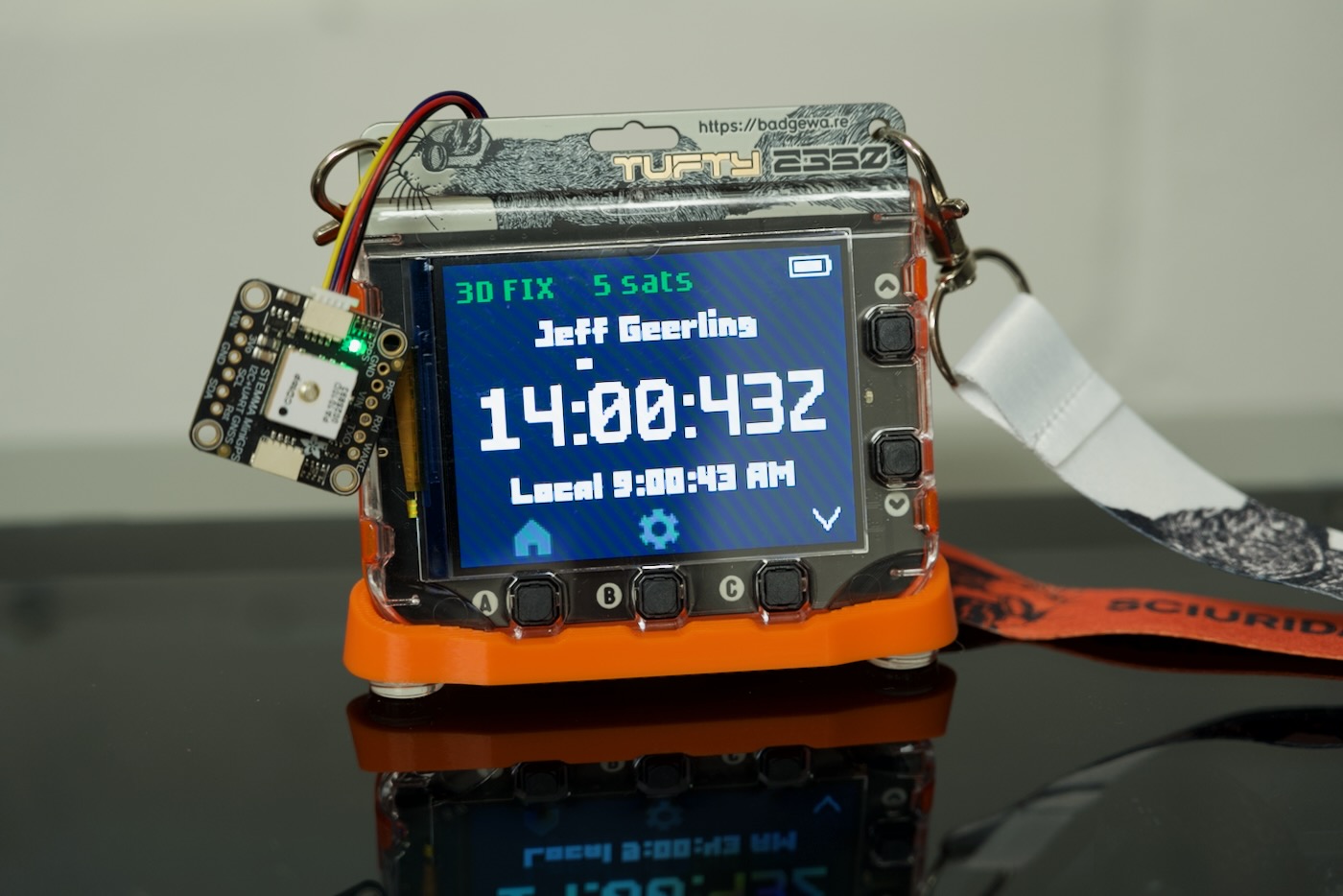
It's ironic, then, that I used Claude to vibe code my Tufty GPS Time Badge.

Pimoroni's Tufty 2350 running my GPS Time App with a GPS module

Partly due to time constraints, and partly because I wanted to see if I could complete a personal project end-to-end, without editing a line of code, I throw my requirements at Claude and ultimately came up with this 2141 MicroPython app for Pimoroni's Badgeware ecosystem.

Jeff Geerling Valid
Text • Jeff Geerling

QuadRF can spot drones and see WiFi through my wall

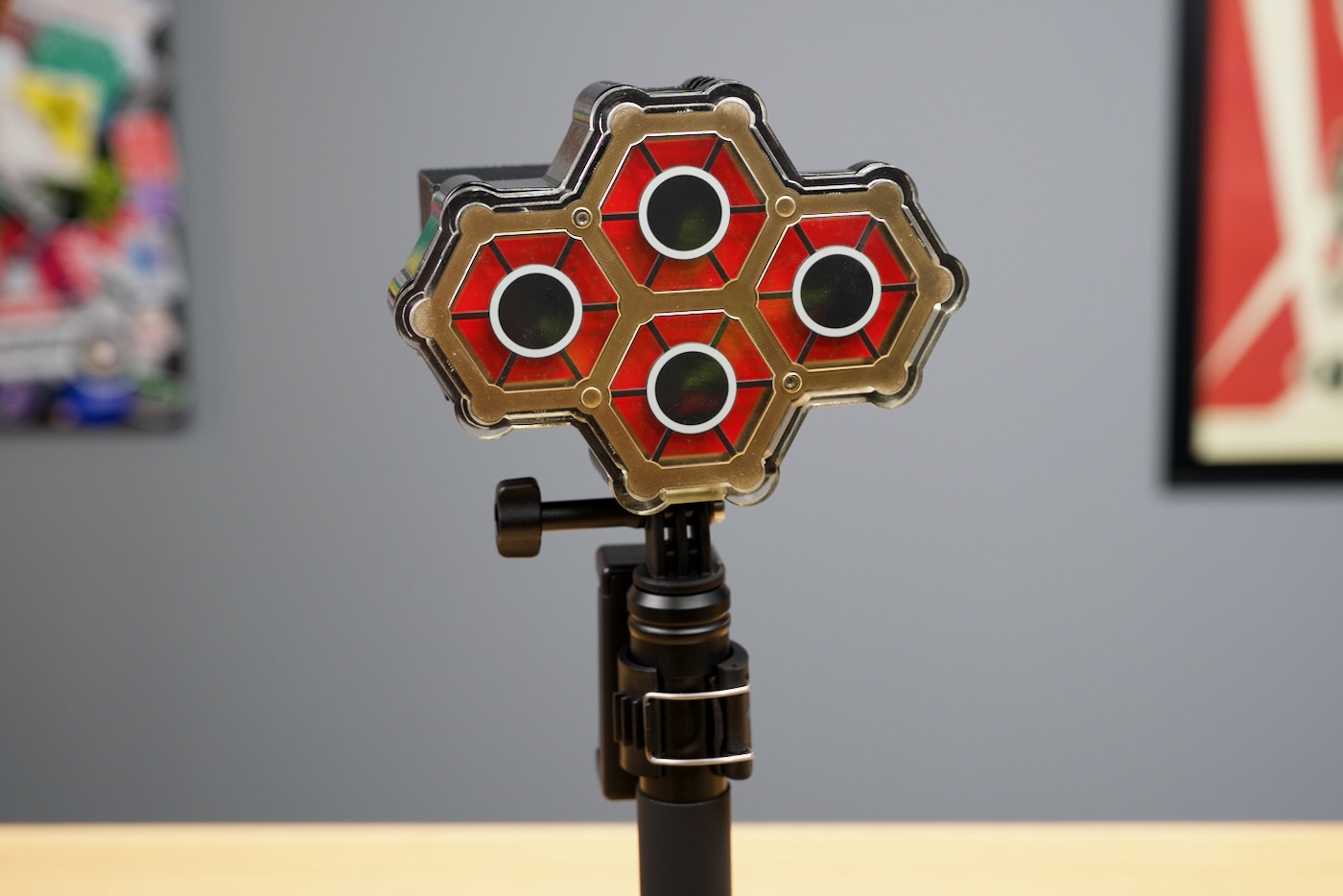
QuadRF antenna array from front

The QuadRF (pictured above) a phased-array radio built around a Raspberry Pi 5 and an FPGA board with picosecond-level timing. It does advanced signal processing and beamforming.

It can see WiFi through walls and track drones in flight.

If the open source community can come up with something like this, just imagine what governments are capable of.

When you plug a computer into a network, tools like Wireshark can show all the hidden traffic you might not even know is there. WiFi packets are the same, but those travel through the air, allowing snooping without physical access.

Jeff Geerling Valid
Text • Jeff Geerling

The Special Value Pi 4 was extremely short-lived

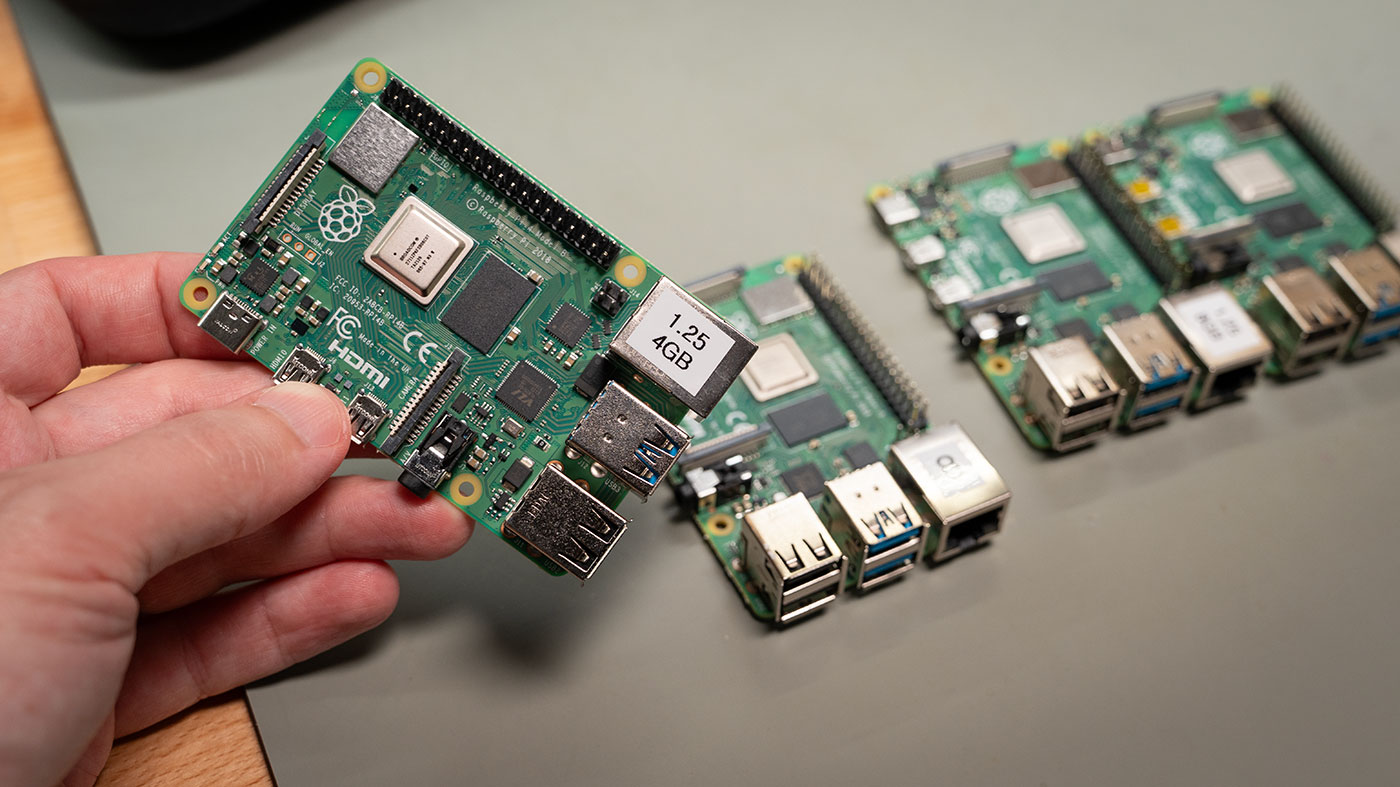
Special Value Pi 4 4GB in hand

The 'Special Value' Pi 4 pictured above is probably the rarest Raspberry Pi I own—even rarer than my blue special edition Pi.

A Raspberry Pi reseller briefly listed a special 'value edition' Pi 4. But the product page 404's now. While it was up, my curiosity got the better of me, and now I have two 'value' Pi 4s.

What makes them a 'value'? They're only certified to run at 1.25 GHz (retail Pi 4s run at 1.8 GHz, and can usually be overclocked).

Jeff Geerling Valid
Text • Jeff Geerling

Quickly apply LUTs (color grading) with ffmpeg

This is a quick post, mostly for my own reference.

I've avoided LUTs and 'Log' video footage for years1, mostly because of the extra tiny bit of workflow involved. Like RAW photos, 'Log' footage retains the video sensor's full dynamic range, so you can pull more color and luminance information out of the footage later.

But unlike photography, where RAW has been a thing for decades, and many workflows 'just work' without me having to 'grade' every individual photo, in video precious few consumer apps handle Log footage gracefully. You generally end up with a muddy grey mess.

Jeff Geerling Valid
Text • Jeff Geerling

Framework's 10G Ethernet module exposes USB-C's complexity

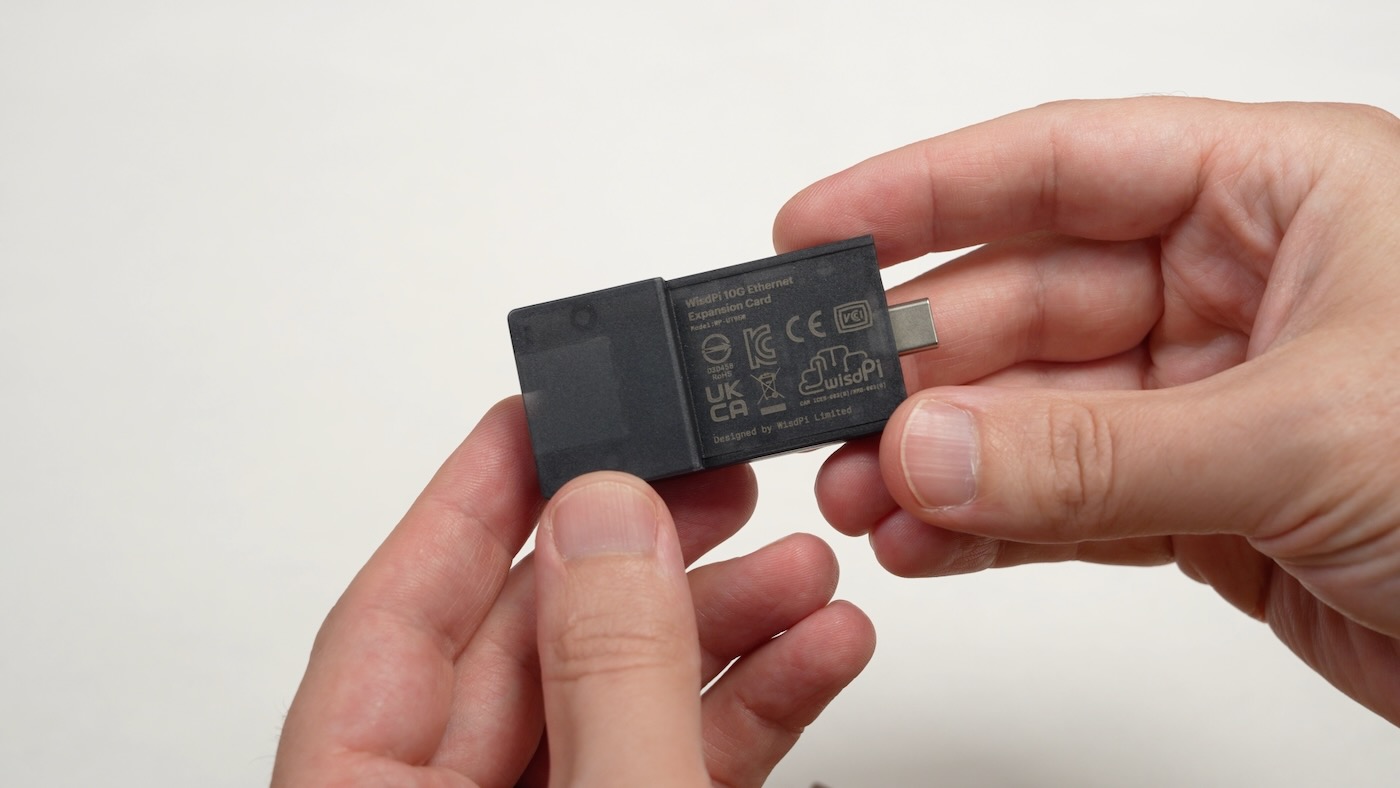
WisdPi's Framework 10G Ethernet module

I've been following WisdPi's development of various 5 Gbps and 10 Gbps Ethernet adapters for the past couple years.

They use newer Realtek Ethernet chips, which sometimes have performance quirks—most frequently encountered under Linux.

In today's video, I tested the new WisdPi 10G Ethernet Expansion Card for Framework computers. It fits in any available Framework Expansion slot—even on the Framework Desktop.

But Expansion Cards use USB-C for their connection to the mainboard—and therein lies the rub...

Jeff Geerling Valid
Text • Jeff Geerling

You can finally power on a Mac remotely

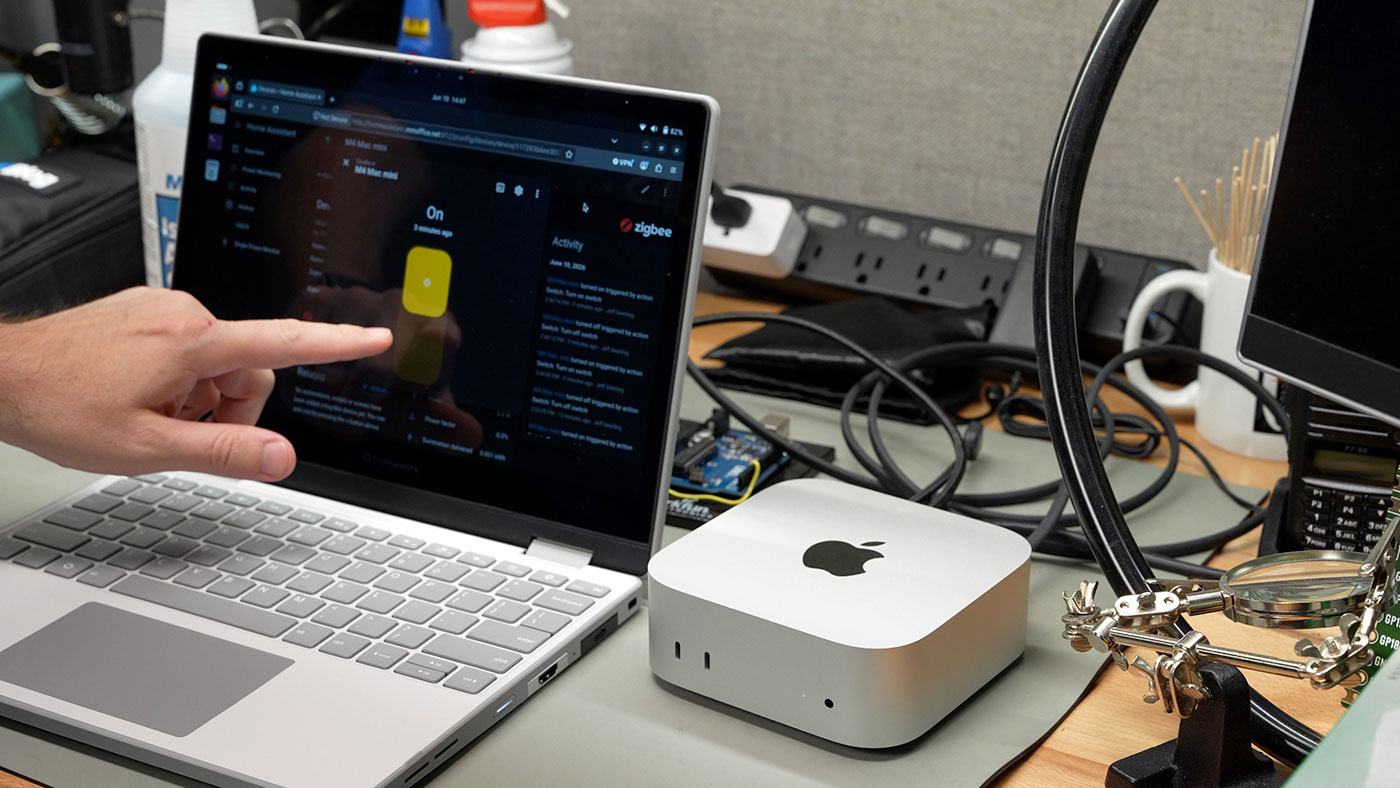
Apple FINALLY lets you turn on your Mac remotely, without having to press the power button. In the media, articles suggest it's a reaction to Mac mini power button complaints.

Turning on an M4 Mac mini remotely using Home Assistant on a Framework 12

While I agree the M4 mini's power button is in a really dumb spot, that's not why I care about this feature. The two bigger use cases for me have been a pain for years:

Jeff Geerling Valid
Text • Jeff Geerling

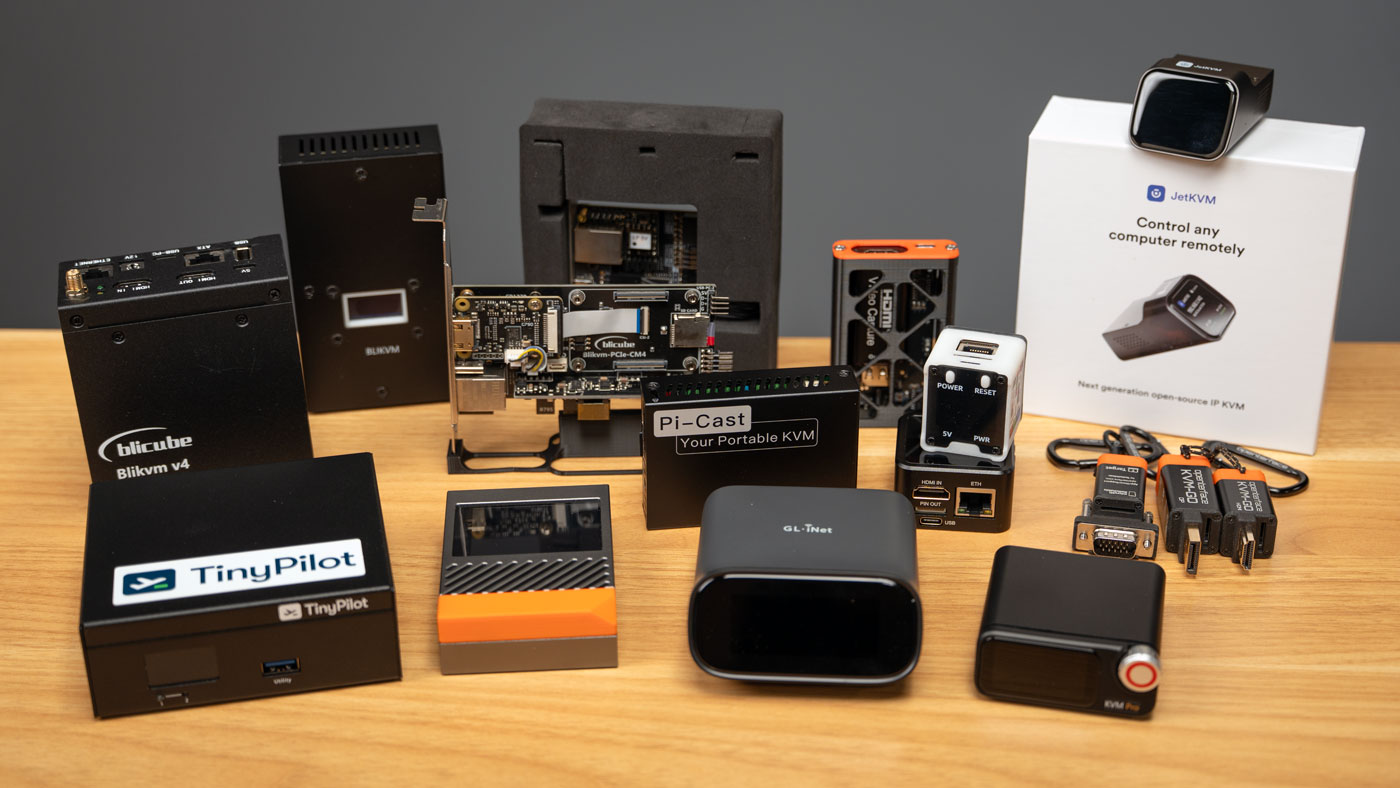
I tested every IP KVM in my Homelab

IP KVMs on desk

Since the PiKVM came out in 2017, there's been an explosion of IP KVMs. I've tested almost every one. But what are they good for?

You can use Remote Desktop, Screen Sharing, or VNC to remote control a computer from anywhere on a LAN. And if you don't have a private VPN, you could use RealVNC, Raspberry Pi Connect, or wire up Tailscale or Pangolin for fully remote access. Those solutions are great, and so is SSH if you don't need a full desktop.

Jeff Geerling Valid
Text • Jeff Geerling

It's hard to justify buying a Framework 12

My nephew just graduated high school, and wants a laptop. When he decides what computer to buy, price (or more precisely, value) is the most important attribute.

Apple's MacBook Neo upended the 'value laptop' equation—Apple's not supposed to be both the cheapest option and the best value... but it seems like that's squarely where the Neo landed for the good-but-cheap laptop category.

MacBook Neo on top of Framework 12

My nephew is also my godson, and to kick off his computing journey, I thought I'd let him choose from a Framework 12 I bought to test, or the MacBook Neo I bought a couple months ago to use around the studio.

Jeff Geerling Valid
Text • Jeff Geerling

Tuning in FM Radio on a 3D Printer Heatbed

Pooch from Repkord dropped by my studio while he was in St. Louis, and asked a simple question:

Can a 3D printer's heatbed act as an antenna?

A fair question, as many an antenna is embedded in a PCB these days... and the traces on a PCB heatbed like the one used in Prusa's Core One look kinda like an antenna, if you squint the right way.

NanoVNA hooked up to 3D Printer Heatbed

Really, anything (or anyone) can be an antenna, given enough power.

Jeff Geerling Valid
Text • Jeff Geerling

I patched iozone for better disk benchmarks on modern macOS

A decade ago, I settled on iozone for disk benchmarking on all my systems. Tools like fio ('Flexible IO' tester) are a little more capable for raw disk performance testing, and other tools test network-scale filesystems better, but iozone gives me an easy overview of real-world disk performance across hard drives and SSDs, and runs on Mac, Windows, and Linux (and a smattering of other OSes).

iozone Website with filesystem performance graph

It's been around since 1991, and is still updated today—in fact, the two latest updates (version 509 and 510) contain patches I sent in to get iozone to compile on Apple Silicon Macs running newer releases of macOS.